The Organic Architecture of Javier Senosiain: Curves, Nature, and Conscious Living
Written by Tiffany Escobar
Contributing Editor, Design & Culture
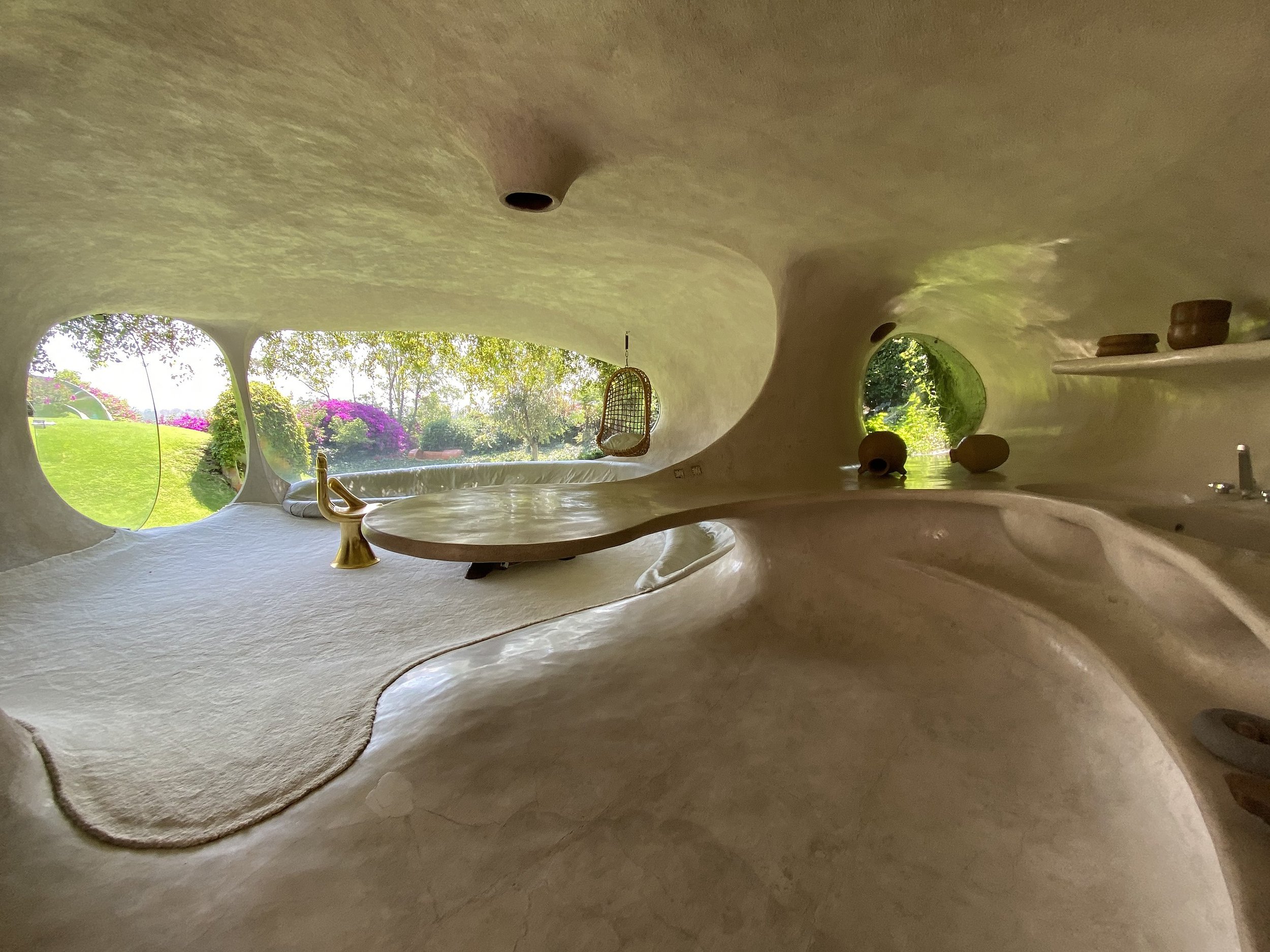
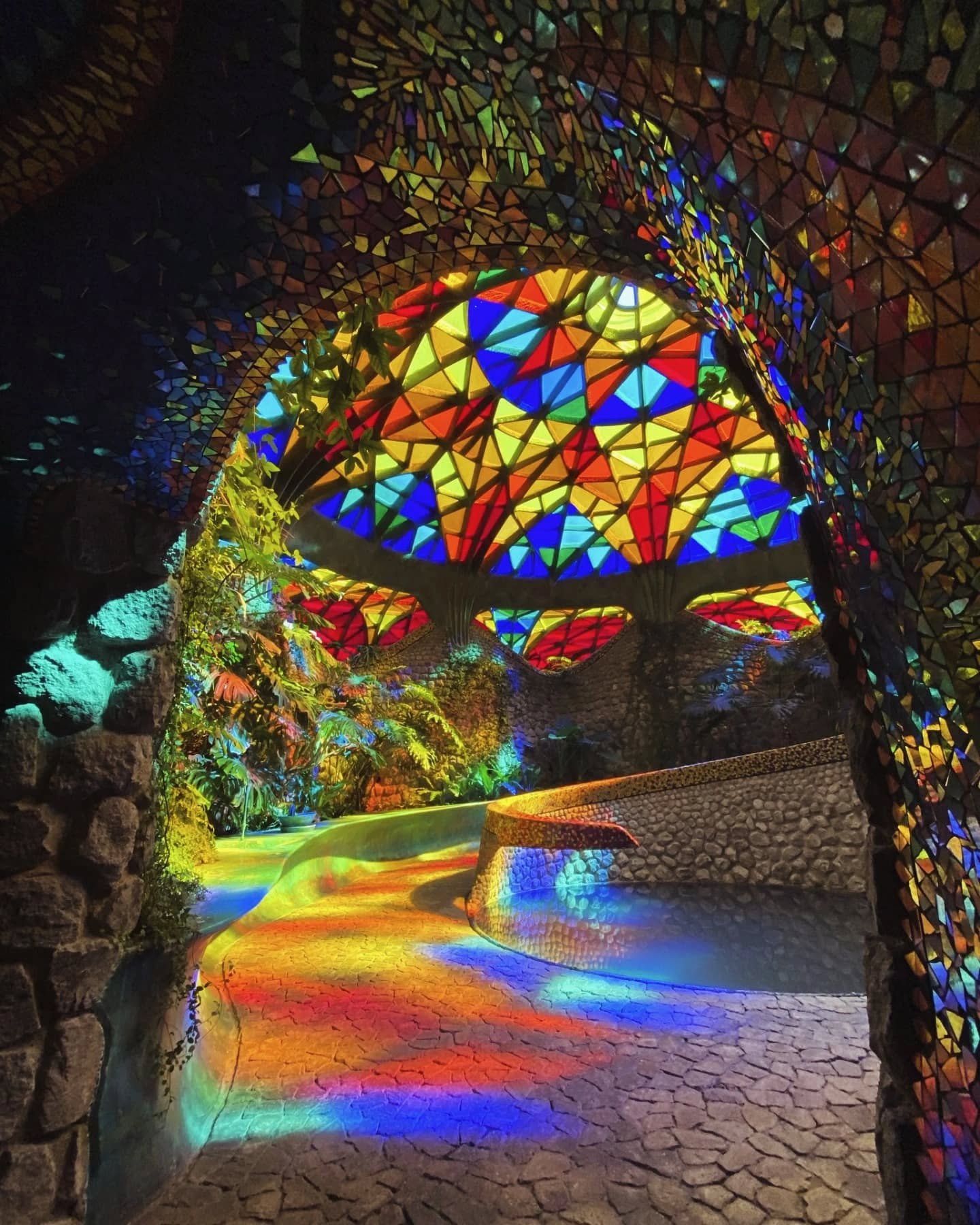
In a world long dominated by straight lines and rigid grids, Javier Senosiain chose a different path, one that bends, curves, and breathes. Widely regarded as one of the most influential voices in organic architecture, Senosiain has captivated the global design community by proving that buildings can feel alive, humane, and deeply rooted in the land they occupy.
This is the story of how a Mexican architect redefined the relationship between humans, architecture, and nature one curve at a time.
Beginnings: From Academia to Organic Curiosity
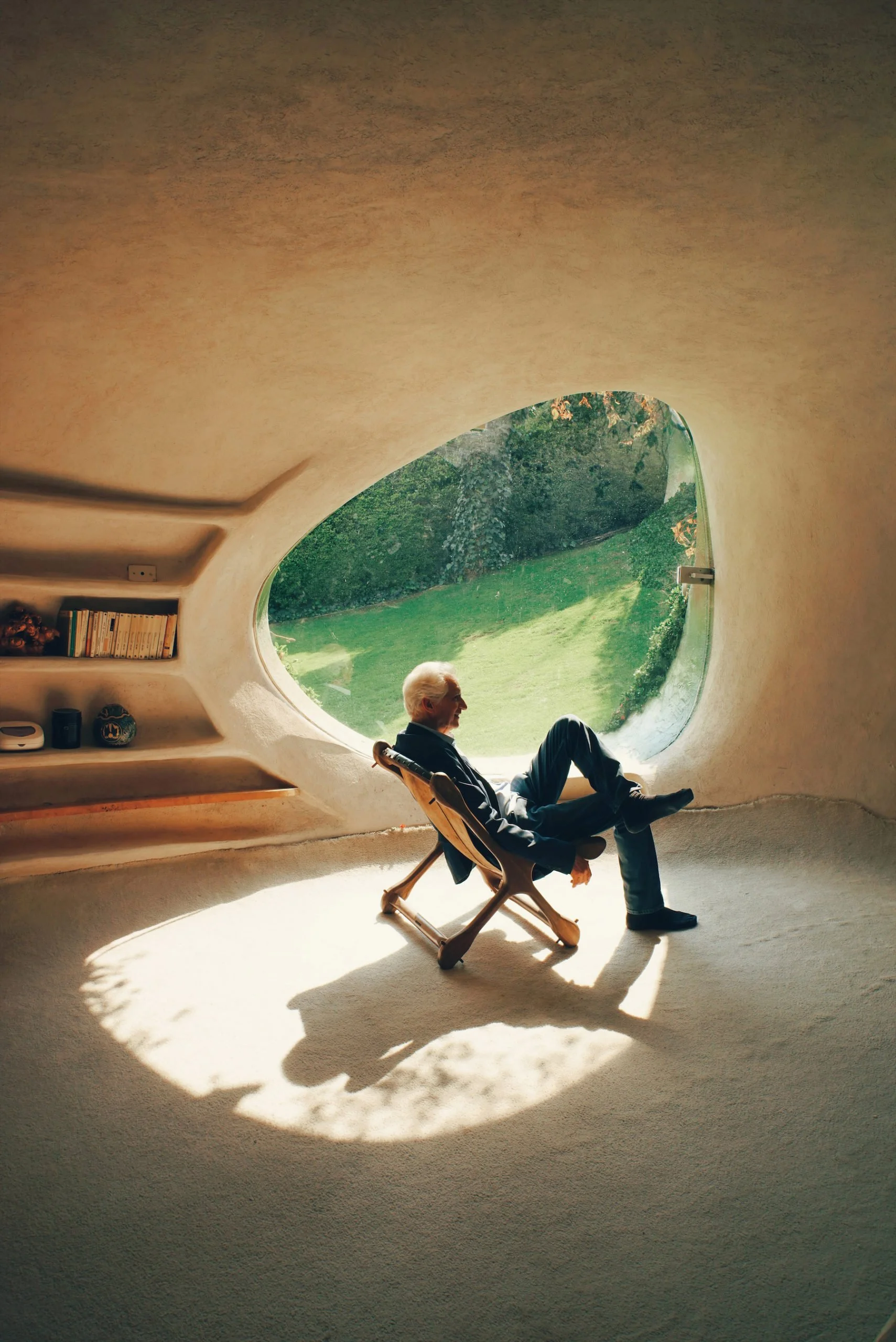
Born in Mexico City in 1948, Javier Senosiain trained as an architect at the Universidad Nacional Autónoma de México (UNAM), one of Latin America’s most prestigious institutions. Early in his studies, Senosiain felt an inherent disconnect between conventional architectural education and the way people instinctively interact with space.
Rather than viewing architecture as an object imposed on the land, he became fascinated by how nature shapes shelter caves, nests, shells, and burrows. These natural forms, sculpted by time and necessity, offered comfort, protection, and emotional grounding long before modern construction methods existed.
This curiosity pushed Senosiain beyond traditional frameworks and toward a more intuitive, biological approach to design.
Captivating the World: Architecture That Feels Alive
Senosiain’s work began to attract international attention because it looked and felt unlike anything else.
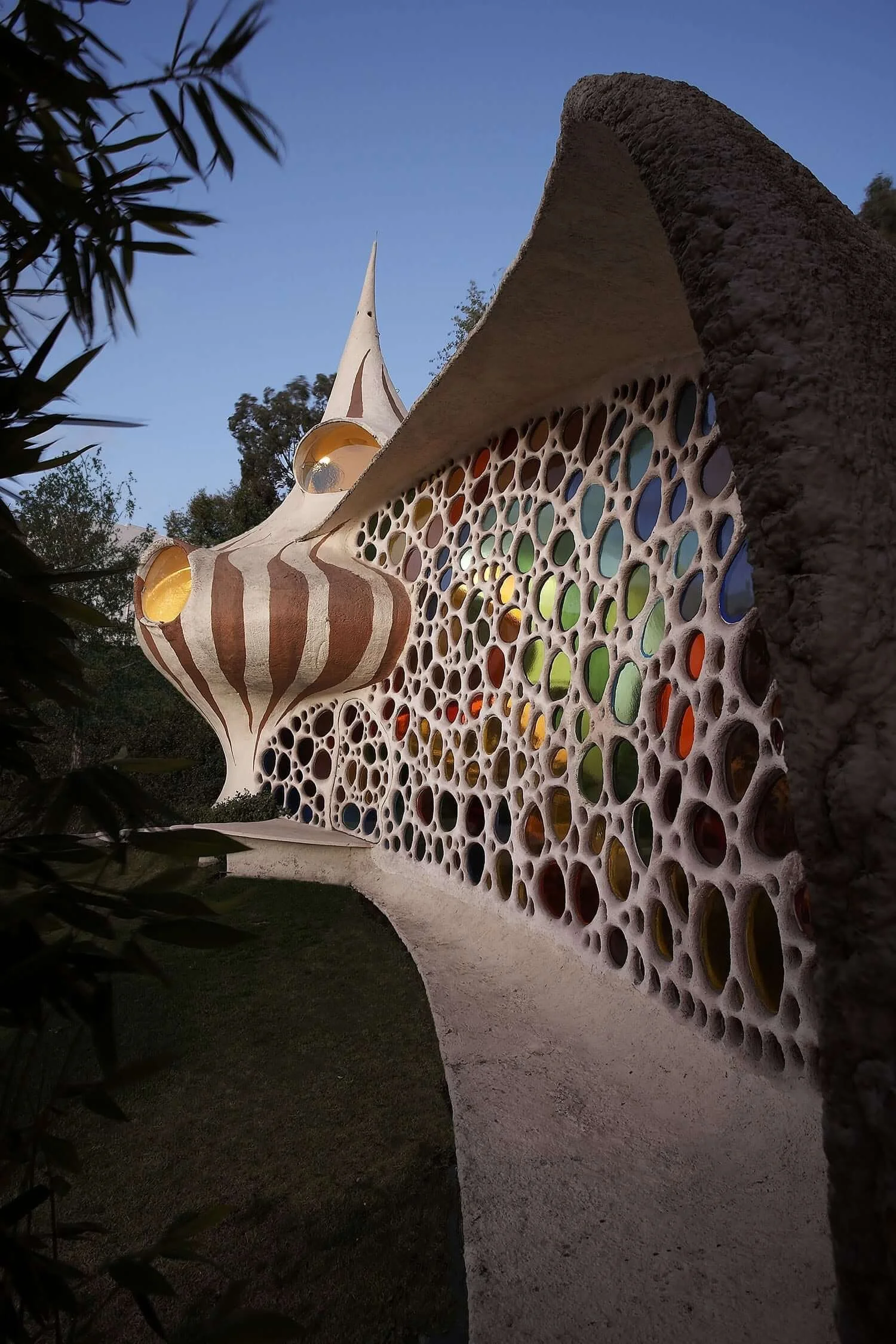
Perhaps his most iconic project, the Nautilus House, resembles a giant seashell emerging organically from the earth. Inside, there are no sharp corners, no conventional walls only flowing spaces bathed in natural light, stained glass, and continuous curves that guide movement intuitively.
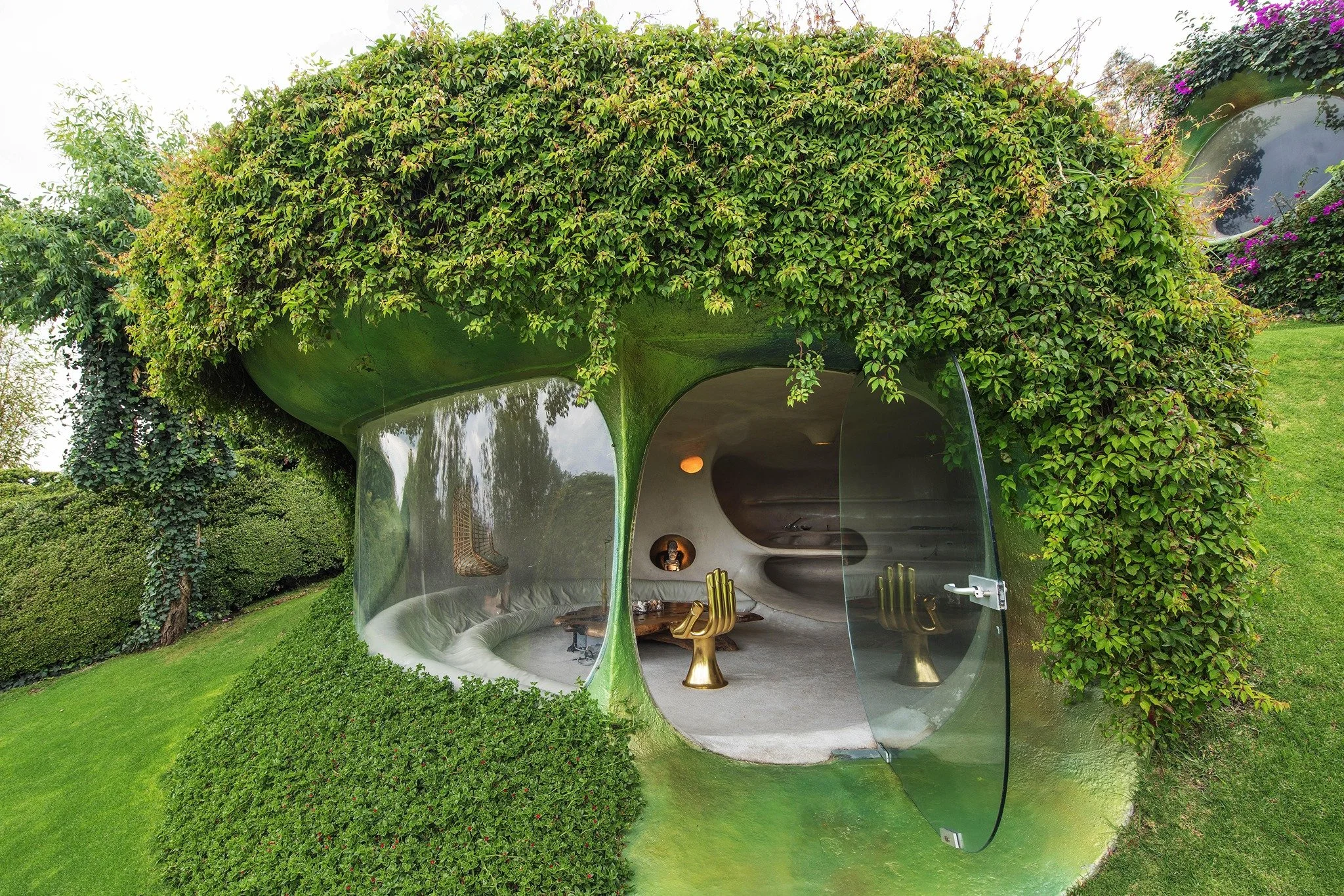
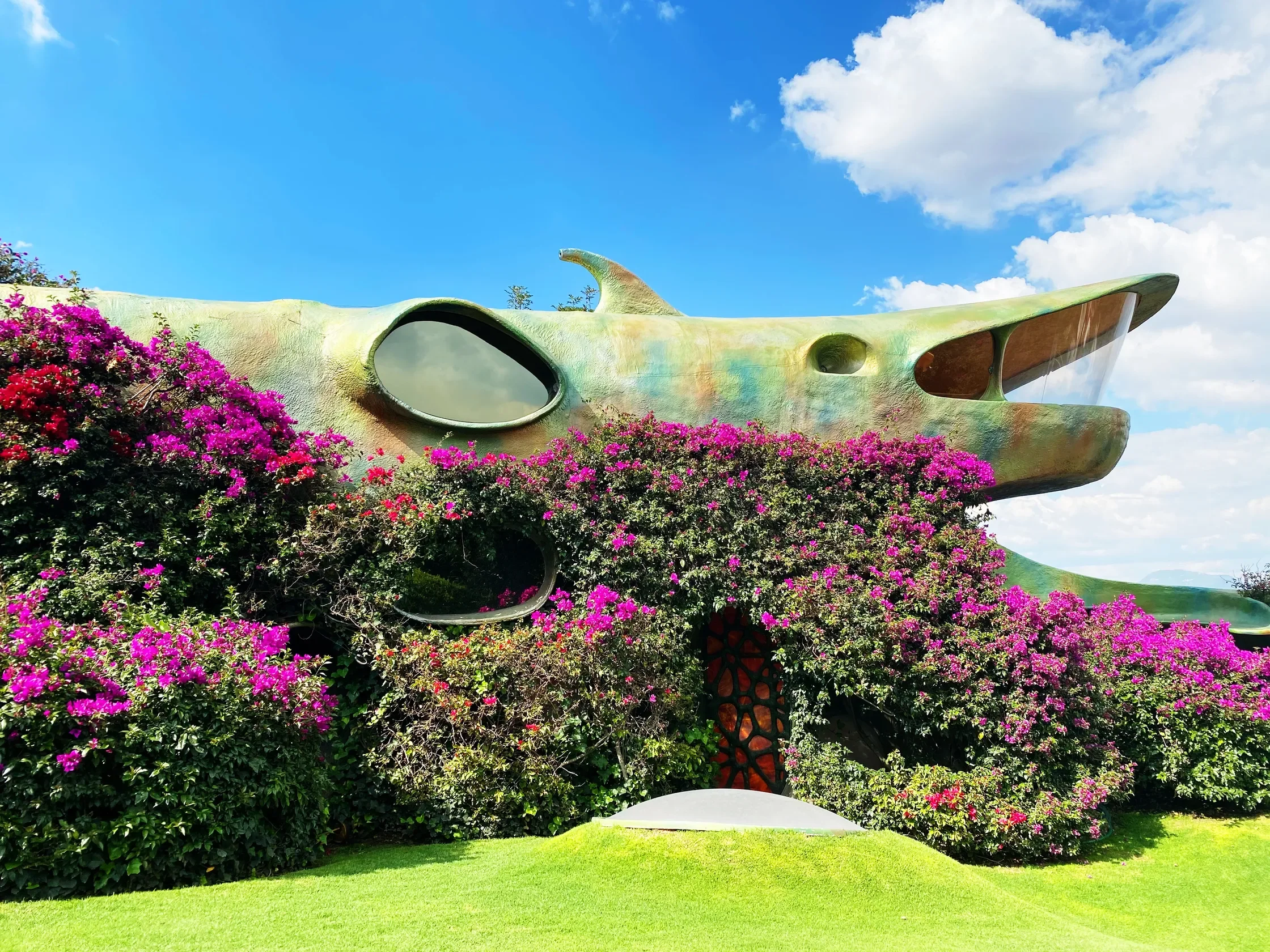
His Casa Orgánica, partially submerged into the landscape, further exemplifies his belief that homes should merge with their surroundings rather than dominate them. Covered in grass and soil, the structure becomes part of the terrain, regulating temperature naturally while creating a deeply immersive living experience.
These projects didn’t just catch the eye of architects they resonated with anyone longing for spaces that feel nurturing rather than mechanical.
Philosophy: Architecture as a Living System
At the heart of Senosiain’s work lies a powerful philosophy:
Architecture should follow the logic of nature and the human body not industrial convenience.
His approach is rooted in three core ideas:
1. Human-Centered Design
Senosiain designs spaces that respond to how people actually move, rest, and feel. Curved walls mimic the ergonomics of the body, creating environments that feel instinctively comfortable.
2. Integration With Nature
Rather than clearing land aggressively, his buildings adapt to existing topography. Many are partially buried or wrapped in greenery, allowing the earth itself to become insulation, structure, and aesthetic.
3. Organic Geometry
Inspired by forms found in biology shells, bones, waves, Senosiain rejects the tyranny of the straight line. For him, curves are not decorative; they are essential to emotional well-being.
This philosophy aligns closely with sustainability, even before the term became fashionable. His buildings reduce energy consumption, maintain stable interior climates, and foster a profound sense of connection between inhabitants and their environment.
Materials, Methods, and Innovation
To bring his organic visions to life, Senosiain often uses ferrocement, a flexible yet durable material that allows for sculptural freedom. Combined with earth, stone, tile, and glass, his material palette emphasizes tactility and longevity over trend.
Natural light plays a central role in his interiors, often entering through unexpected angles or filtered through colorful glass, mimicking how sunlight moves through caves or beneath forest canopies.
The result is architecture that feels handcrafted, emotional, and timeless.
Legacy and Global Influence
Javier Senosiain is frequently mentioned alongside other organic architecture pioneers such as Antoni Gaudí and Frank Lloyd Wright, yet his voice remains distinctly his own deeply Mexican, deeply human.
His work has been featured in major international publications and continues to inspire architects, designers, and creatives who are questioning the future of sustainable living. More importantly, his projects challenge the notion that architecture must be cold, monumental, or disconnected from daily life.
In an era of rapid urbanization and digital overload, Senosiain’s designs offer something rare: spaces that slow us down, ground us, and remind us where we come from.
Why Javier Senosiain Matters Today
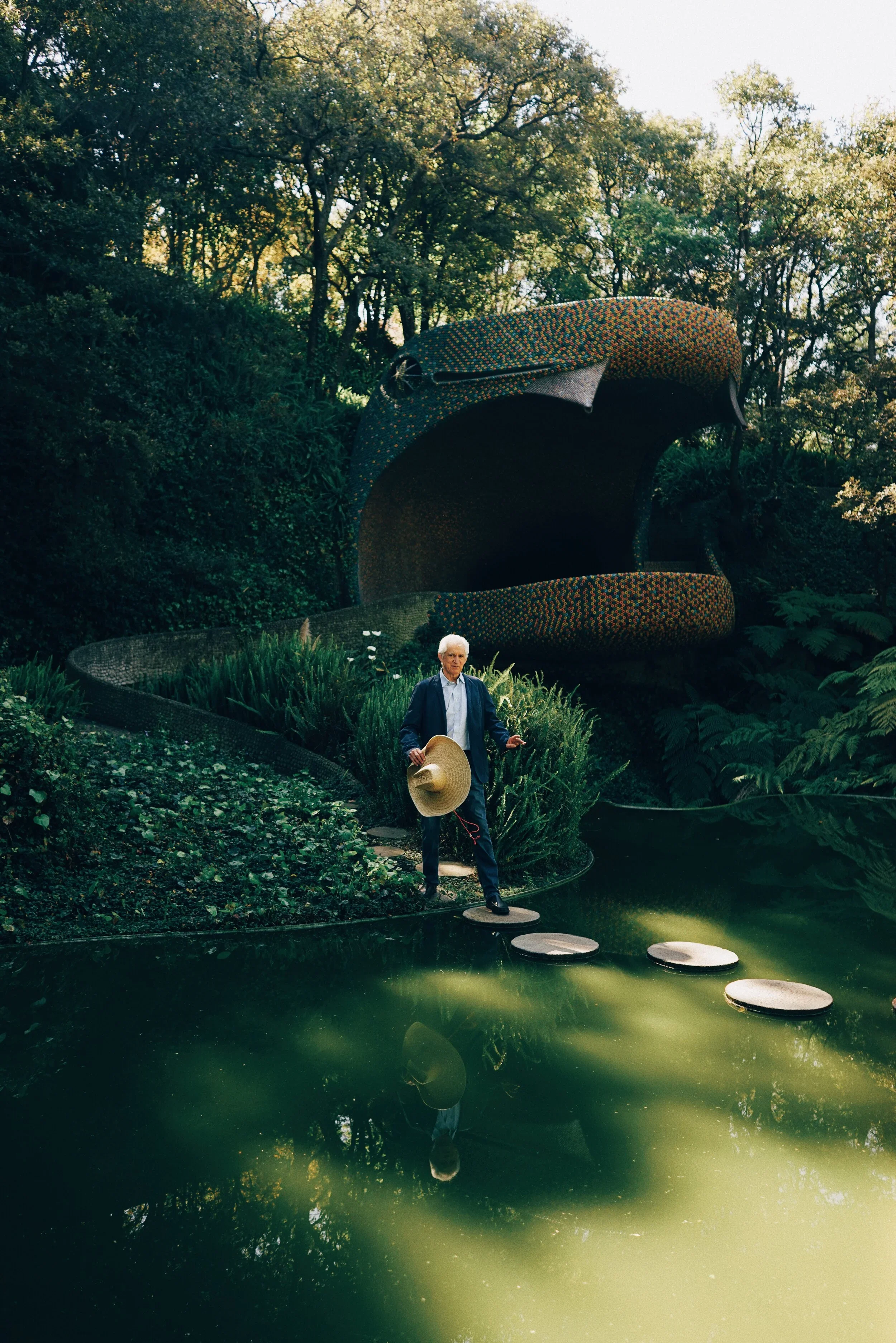
As conversations around sustainability, mental well-being, and intentional living continue to grow, Senosiain’s work feels more relevant than ever. He didn’t chase trends he followed instinct, nature, and empathy.
And in doing so, he showed the world that architecture doesn’t need to overpower us to impress us. Sometimes, the most powerful spaces are the ones that feel like home the moment you step inside.
For More Design Inspiration
Explore more stories at the intersection of architecture, nature, and intentional living. At Neova Collective, we curate global design narratives that celebrate organic forms, conscious spaces, and the creatives reshaping how we live. Discover more editorial features, emerging voices, and architectural philosophies on our blog.
Want to Be Featured?
Neova Collective features select architecture and design projects through sponsored editorial placements. Submit your information here to request feature details and pricing.
Photo Credits:
Images featured in this article were sourced from publicly available online platforms, including official project websites and editorial references. All images remain the property of their respective owners. Neova Collective does not claim ownership of any imagery and presents them solely for editorial, informational, and inspirational purposes.