More Than a Performance: Why Bad Bunny’s Halftime Show Was a Cultural Statement
Written by Tiffany Escobar
Editor, Design & Culture
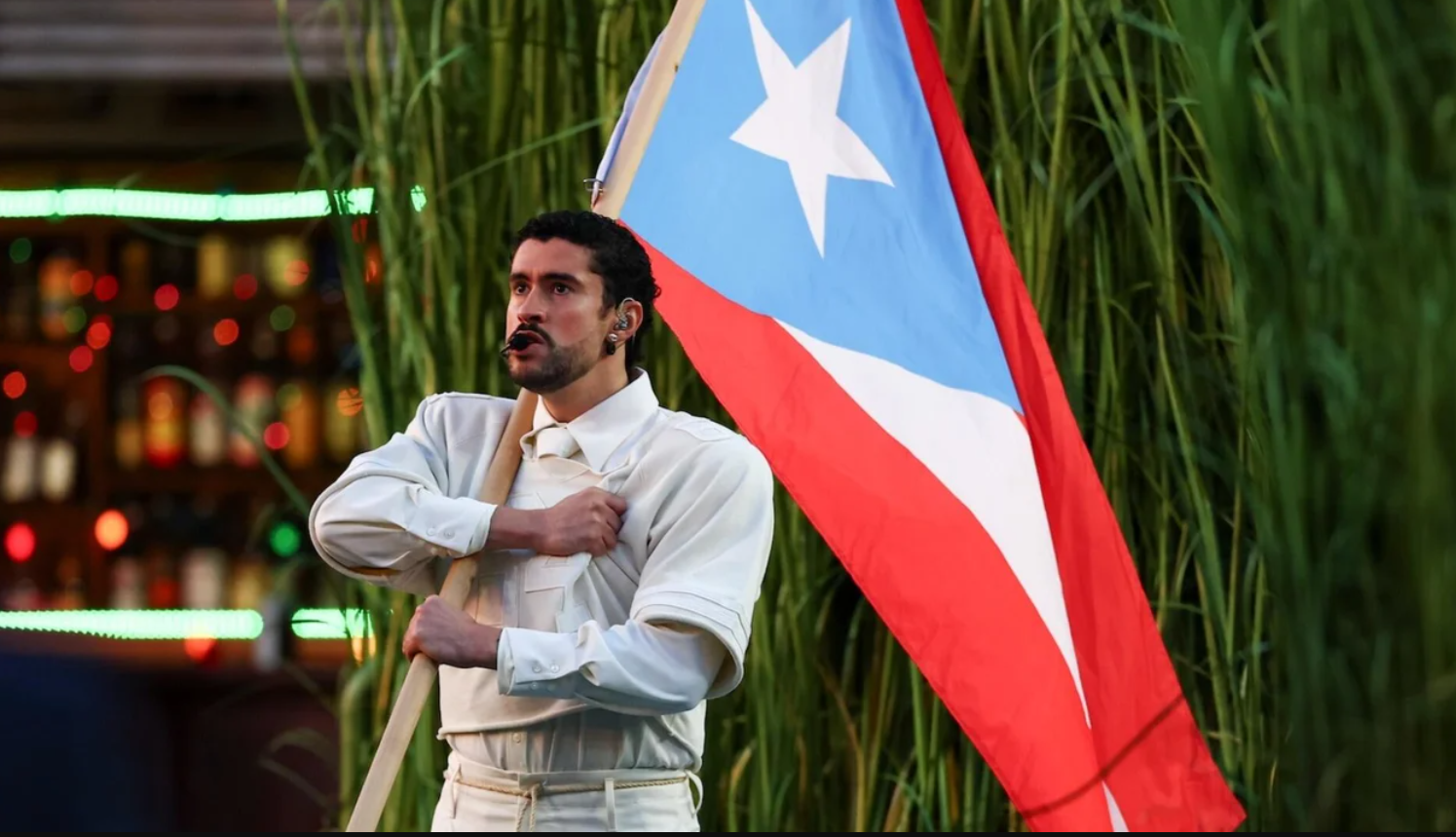
Image Source: CBS NEWS
Some performances entertain. Some impress. And then, rarely, some make history. The halftime show by Bad Bunny, born Benito Antonio Martínez Ocasio, was not designed simply to excite a crowd. It was designed to speak. It was a declaration rooted in memory, culture, resistance, and love. It wasn’t meant to be easily consumed. It was meant to be understood.
Coming from a small island with immense global talent, Bad Bunny understands that visibility is power. Puerto Rico exists in a complicated space culturally Latin, linguistically Spanish, politically tied to the United States, yet often marginalized in both worlds. With global fame comes a choice: blend in or stand for something. He chose purpose. Instead of delivering a generic, crowd-pleasing show, he used one of the biggest stages in the world to center history, struggle, and identity.
Sugarcane Fields and the Memory of Labor
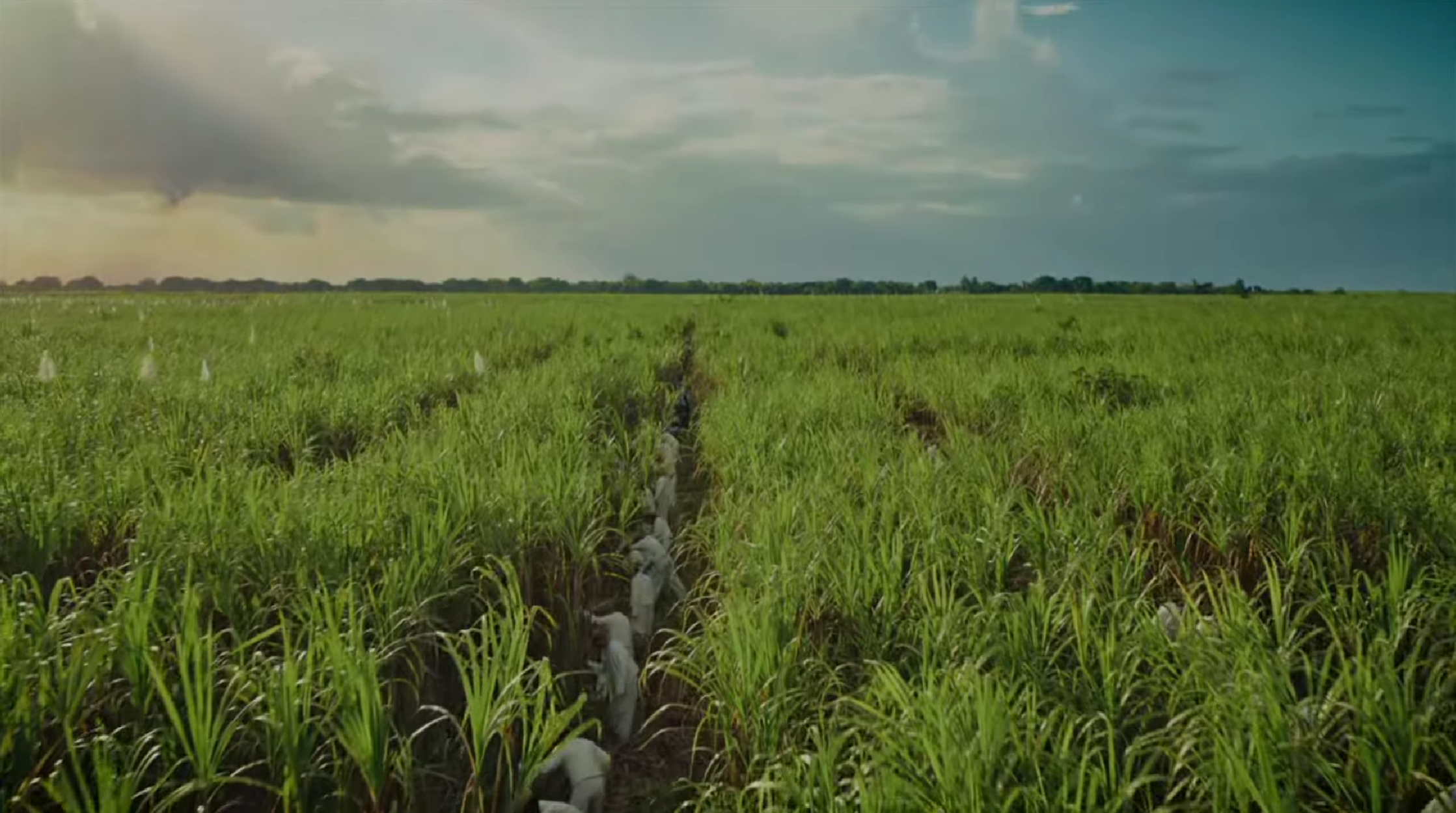
The performance opened with imagery of sugarcane fields, a quiet but heavy symbol. In Puerto Rico and across the Caribbean, sugarcane represents forced labor, enslavement, and colonial exploitation. These fields were once worked by enslaved Africans under brutal conditions, and even after abolition, exploitation simply changed form. By beginning here, Bad Bunny invited the audience to remember what is often erased.
Image Source: NFL
Everyday Puerto Rico: Community in the Details
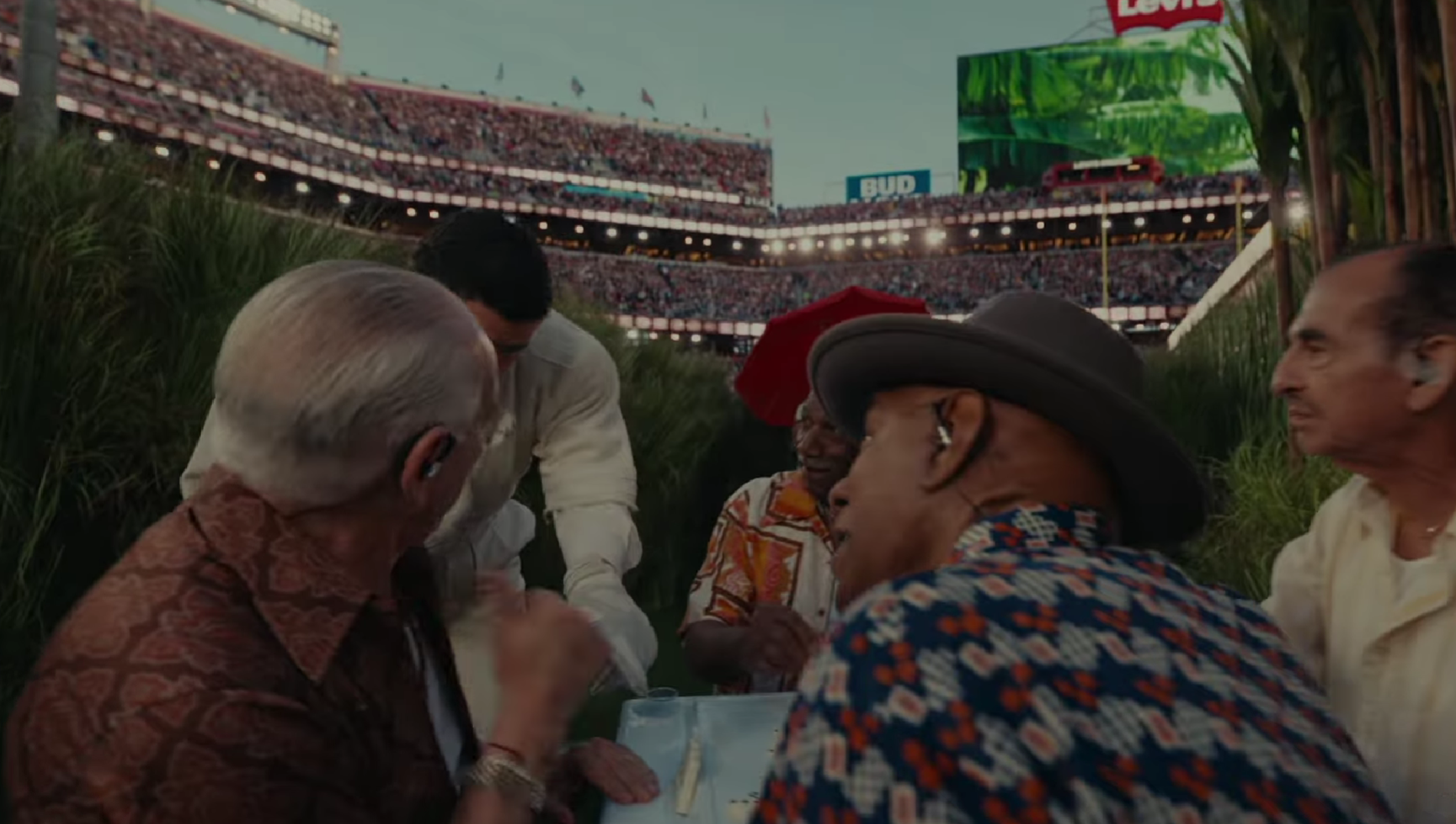
From there, he transitioned into scenes of everyday Puerto Rican life. We saw coco frío stands, older men playing dominoes, nail technicians, girls sitting on concrete blocks, piragua stands with syrup bottles marked by different country flags, taco stands, and boxers. These weren’t random images. They represented community, resilience, shared struggle, and cultural intimacy. He wasn’t showing fantasy. He was showing reality. The beauty of ordinary life.
Image Source: NFL
La Casita, Representation, and Industry Power
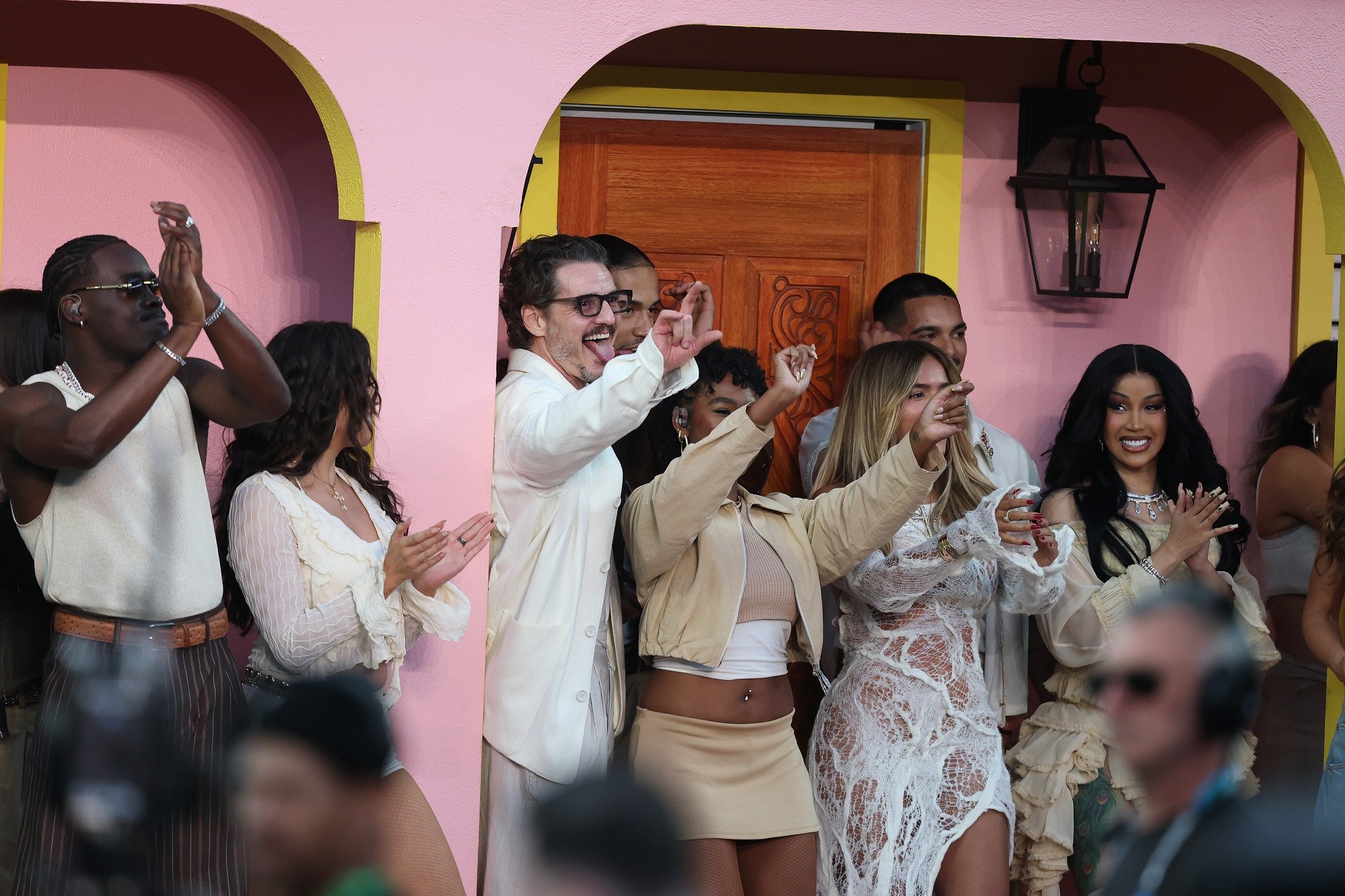
One of the most meaningful moments was when artists were welcomed into “la casita,” including Jessica Alba and others, transforming it into a symbolic home. Young Miko represented a cultural shift and LGBTQ+ visibility, while Cardi B embodied immigrant roots and authenticity. In the context of public tensions involving Nicki Minaj and Donald Trump, her presence felt like a message of unity. The inclusion of Karol G added industry complexity, signaling confidence without confrontation.
One detail that sparked conversation was the presence of Alix Earle. As a newer, highly visible influencer who is closely connected to younger generations, her inclusion stood out. Being a young, white, mainstream figure in a culturally significant space, she may have represented how the next generation shaping media, trends, and influence is emerging through creators like her. Her presence suggested a bridge between Latin culture and the future audience that will carry these narratives forward.
Image Source: The Cut
“Monaco”: Quiet Authority and Public Humbling
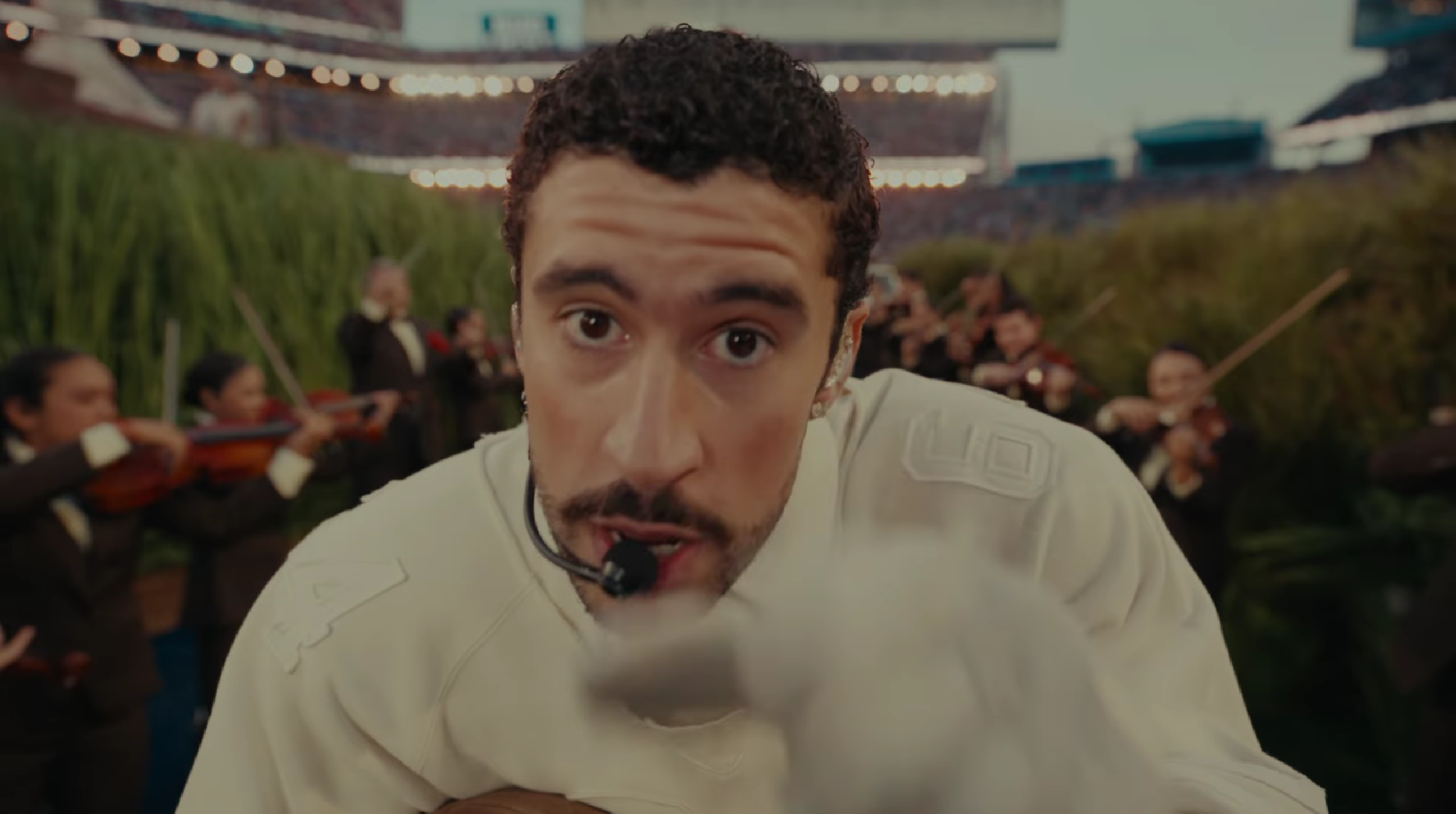
When “Monaco” began, the tone shifted. The song functions both as a reflection on success and as a diss track, carrying confidence and awareness of being watched. But what made the moment unforgettable wasn’t just the lyrics it was the pause. When Bad Bunny stopped, looked directly into the camera, and said, “Remember to believe in you,” the moment worked on two levels at once. Knowing the history between him and another artist, it felt like subtle, controlled humiliation almost parental in tone, placing emotional authority without aggression. At the same time, it was deeply inspirational. That sentence wasn’t only for one person; it was for millions watching. It landed as permission to believe in yourself even when doubted, overlooked, or underestimated. In that single pause, Bad Bunny managed to humble quietly while uplifting loudly, showing that real power doesn’t come from confrontation, but from standing firmly in who you are and letting that confidence speak for itself.
Image Credits: NFL
Ricky Martin and Remembering Hurricane Maria
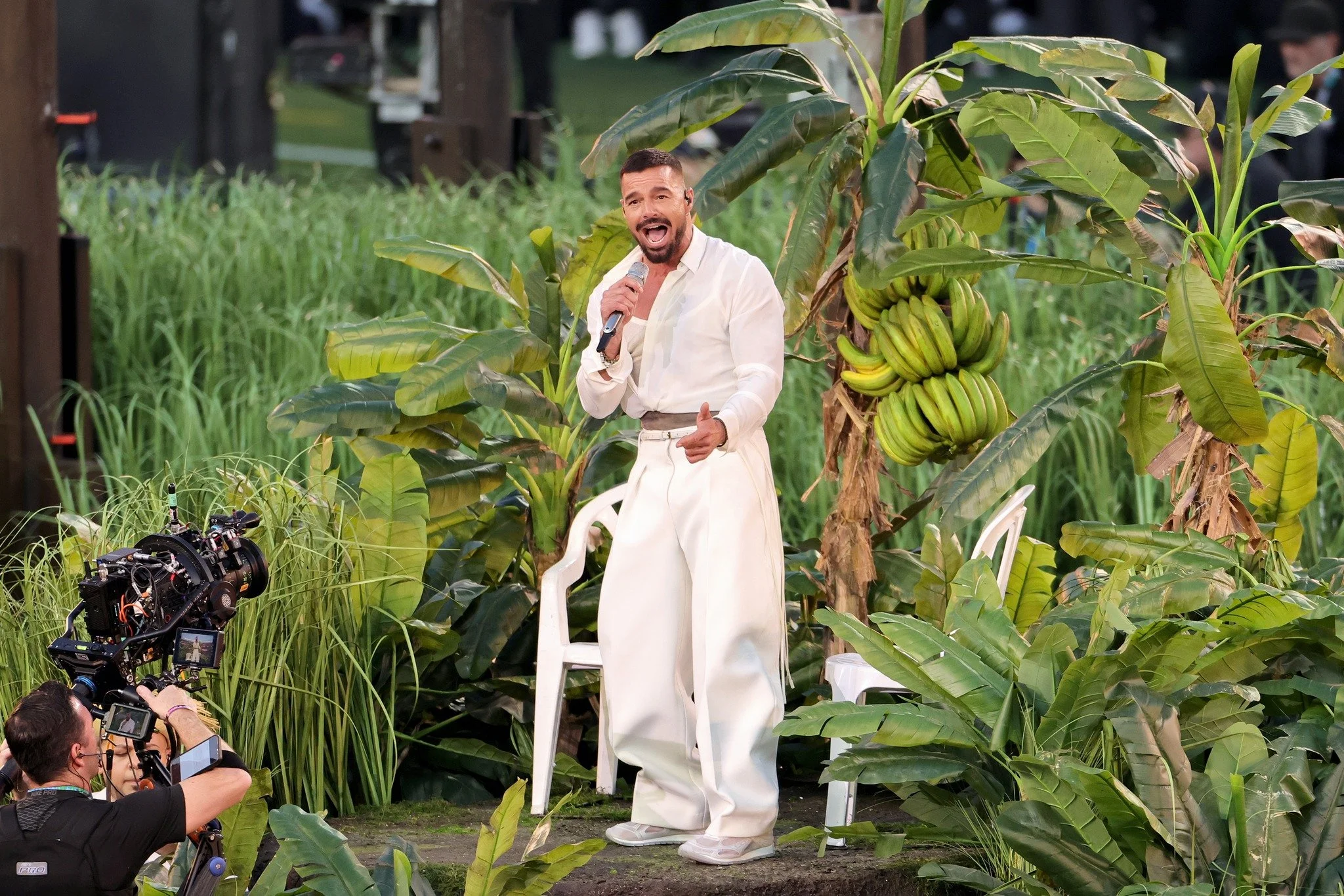
Later, Ricky Martin appeared. For many years, Ricky was the most internationally recognized Puerto Rican artist in the world, one of the first to bring Latin pop and Puerto Rican identity fully into the global mainstream. He represents an entire generation of visibility, pride, and cultural breakthrough. His presence isn’t just nostalgic, it is foundational. He performed “Lo Que Le Pasó a Hawaii”, a song originally written by Bad Bunny as a metaphor for what has happened to Puerto Rico. The song compares the island’s struggles displacement, privatization, and loss of local control to the historical transformation of Hawaii. Hearing Ricky sing it added emotional and generational weight to the message. It wasn’t just about Hurricane Maria anymore; it was about long-term neglect, exploitation, and cultural erasure. His performance bridged past and present, reminding the world that Puerto Rico’s pain is not temporary, and that its fight for dignity and autonomy is still ongoing.
Image Source: McGill Media
Honoring Reggaeton’s Foundations
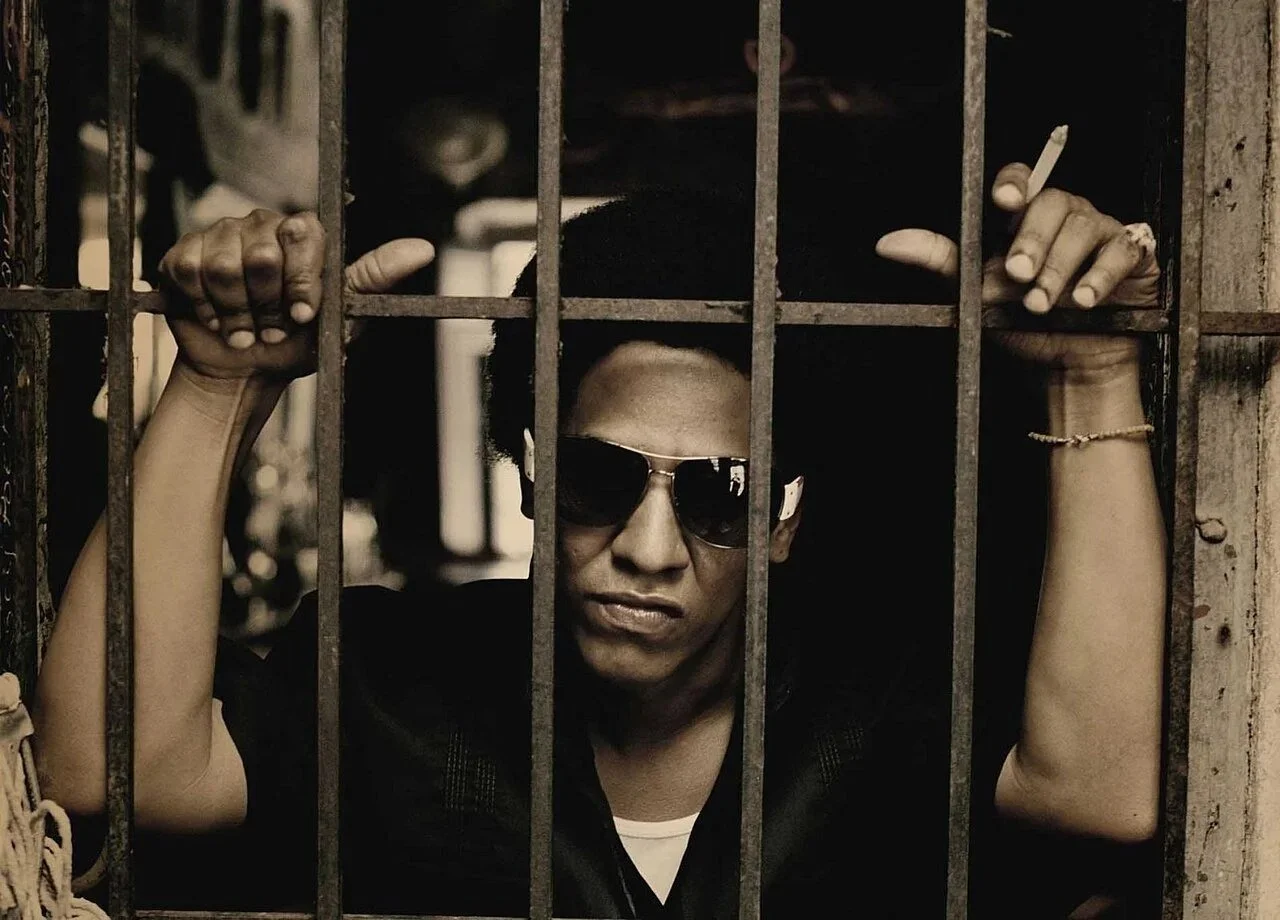
A remix followed that honored the pioneers of reggaetón. It began with Tego Calderón, who has long centered Black identity and African ancestry. Then came Don Omar and Daddy Yankee, who globalized the genre. Finally, Héctor el Father was acknowledged.
On the most American stage possible, Bad Bunny honored his lineage. He didn’t erase history. He protected it.
Image Source: Wikipedia
Love, Memory, and Old San Juan
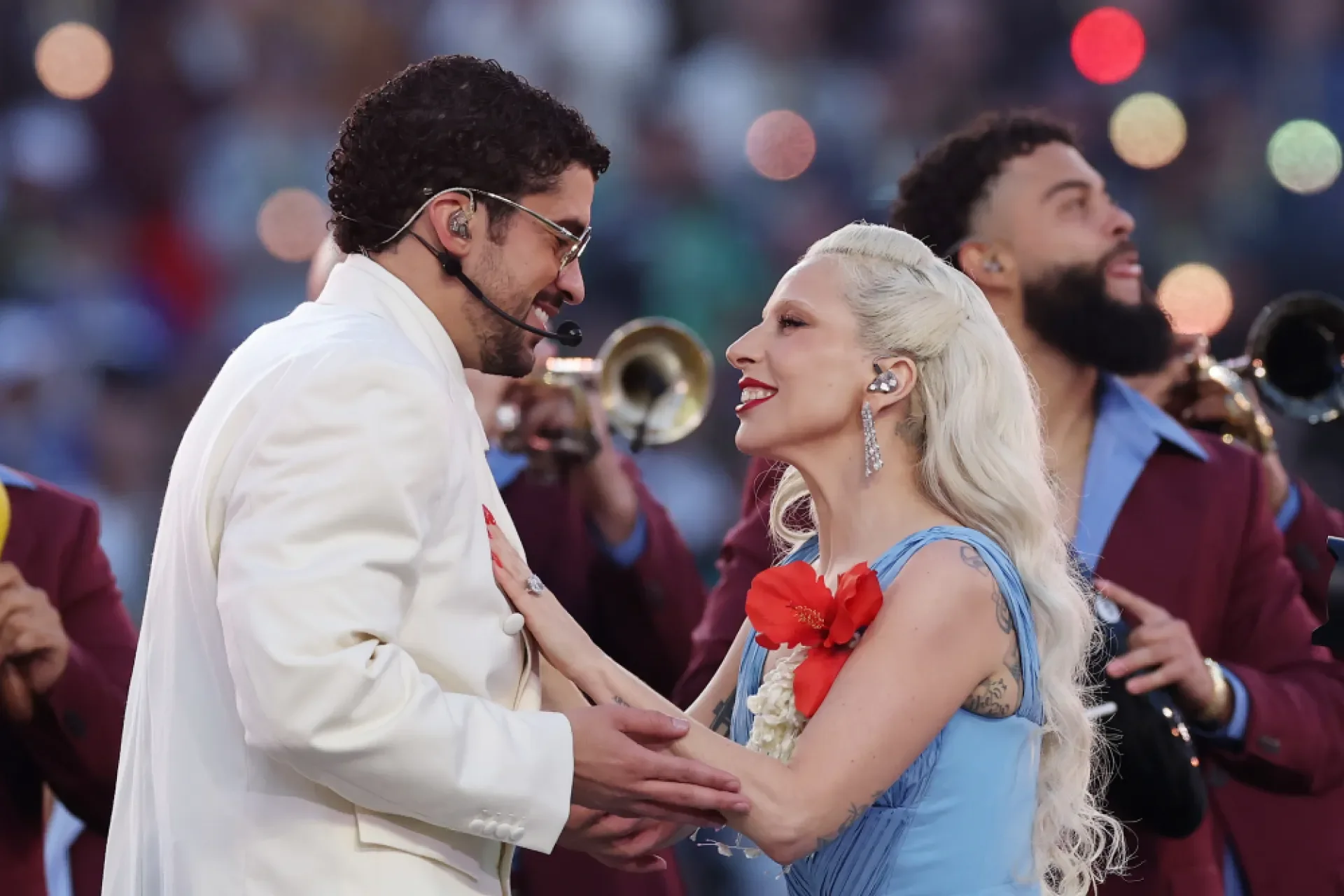
Then Lady Gaga appeared, performing in a salsa style as if she were standing in the heart of Old San Juan. She seemed to be positioned on what closely resembled Fuente Raíces, a historic fountain and sculpture whose name translates to “Fountain of Roots.” Fuente Raíces represents heritage, ancestry, and the continuity of Puerto Rican identity across generations. It symbolizes the island’s Indigenous, African, and European foundations, reminding viewers that Puerto Rican culture is built on layered histories and resilience. Placing her on this landmark felt intentional, suggesting that even global icons must return to cultural roots when honoring Puerto Rico. It was a visual metaphor for respect entering the culture with humility rather than standing above it. Nearby, the presence of a garita reinforced this message, representing protection, endurance, and the island’s long history of survival. Together, these elements transformed her performance into a moment of cultural reverence, not just entertainment.
Photo Credits: Variety
“Después de la Playa” and the Weddings That Raised Us
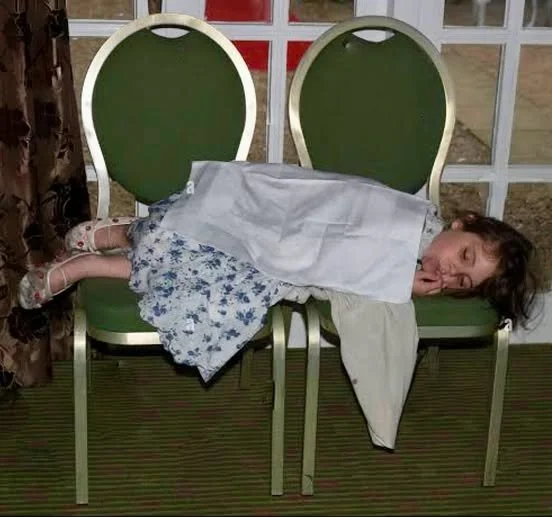
Bad Bunny then performed “Después de la Playa,” his salsa-inspired track that evokes 1980s and 1990s wedding culture. The oversized cakes, formal halls, and endless dancing reflected memories many Latino families share.
These were community events where children fell asleep on chairs while adults celebrated all night. He reminded millions of where they were raised not in luxury, but in love and togetherness.
Photo Credits: Sooshi Mango
Diaspora, Dreams, and the Grammy Moment
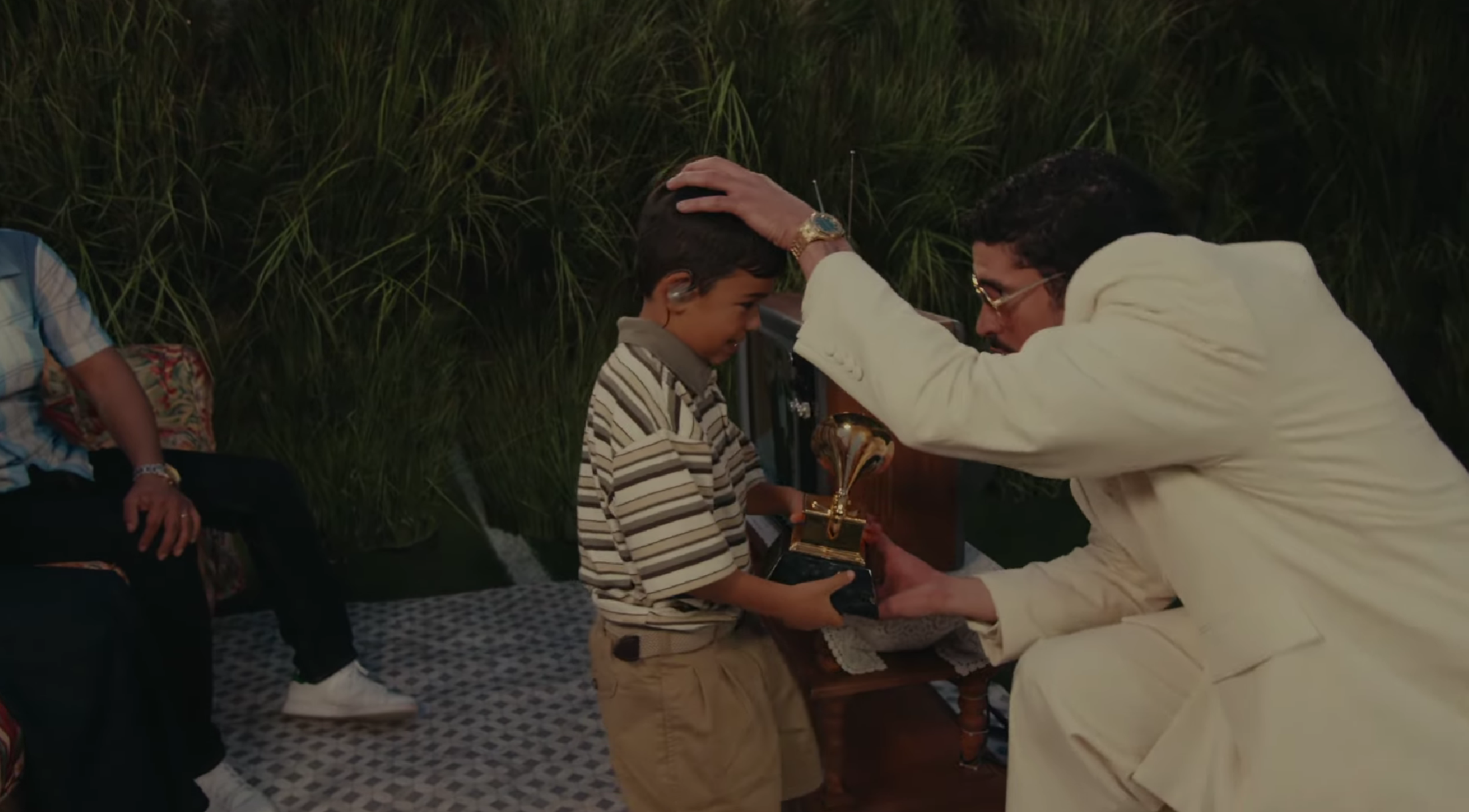
A later scene showed parents and a child watching the Grammy Awards. The child saw his future self on screen. Bad Bunny walked forward and handed the award to him.
It symbolized destiny and self-belief. It has been widely speculated that the child actor had recently been affected by actions involving U.S. Immigration and Customs Enforcement, which added emotional weight. Whether literal or symbolic, the scene reflected immigrant uncertainty and hope.
Image Credits: NFL
“El Apagón,” LUMA, and Life Without Power
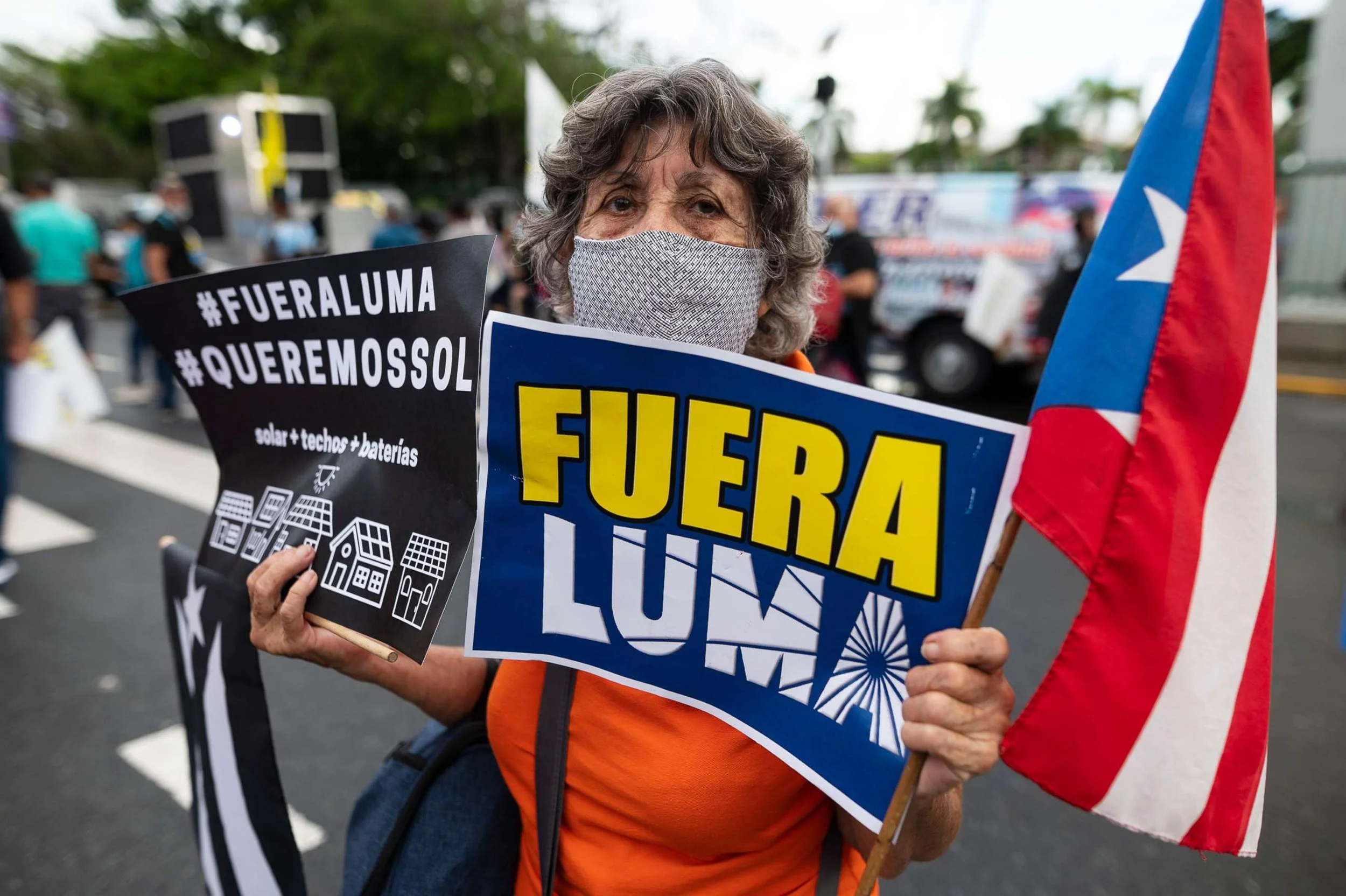
When “El Apagón” began, the performance became openly political. Jíbaros climbed electric poles, referencing LUMA Energy and Puerto Rico’s unstable grid since Hurricane Maria.
Rolling blackouts, weeks without power, and forced investment in solar systems have become normal for many families. Electricity has become a privilege instead of a right.
At the same time, wealthy investors have increasingly privatized land and beaches. From many Puerto Ricans’ perspectives, this feels like pressure to leave. “El Apagón” translated that frustration into art.
During this song, Bad Bunny held the Puerto Rican flag, a symbol of resistance, pride, and survival.
Image Credits: ABC News
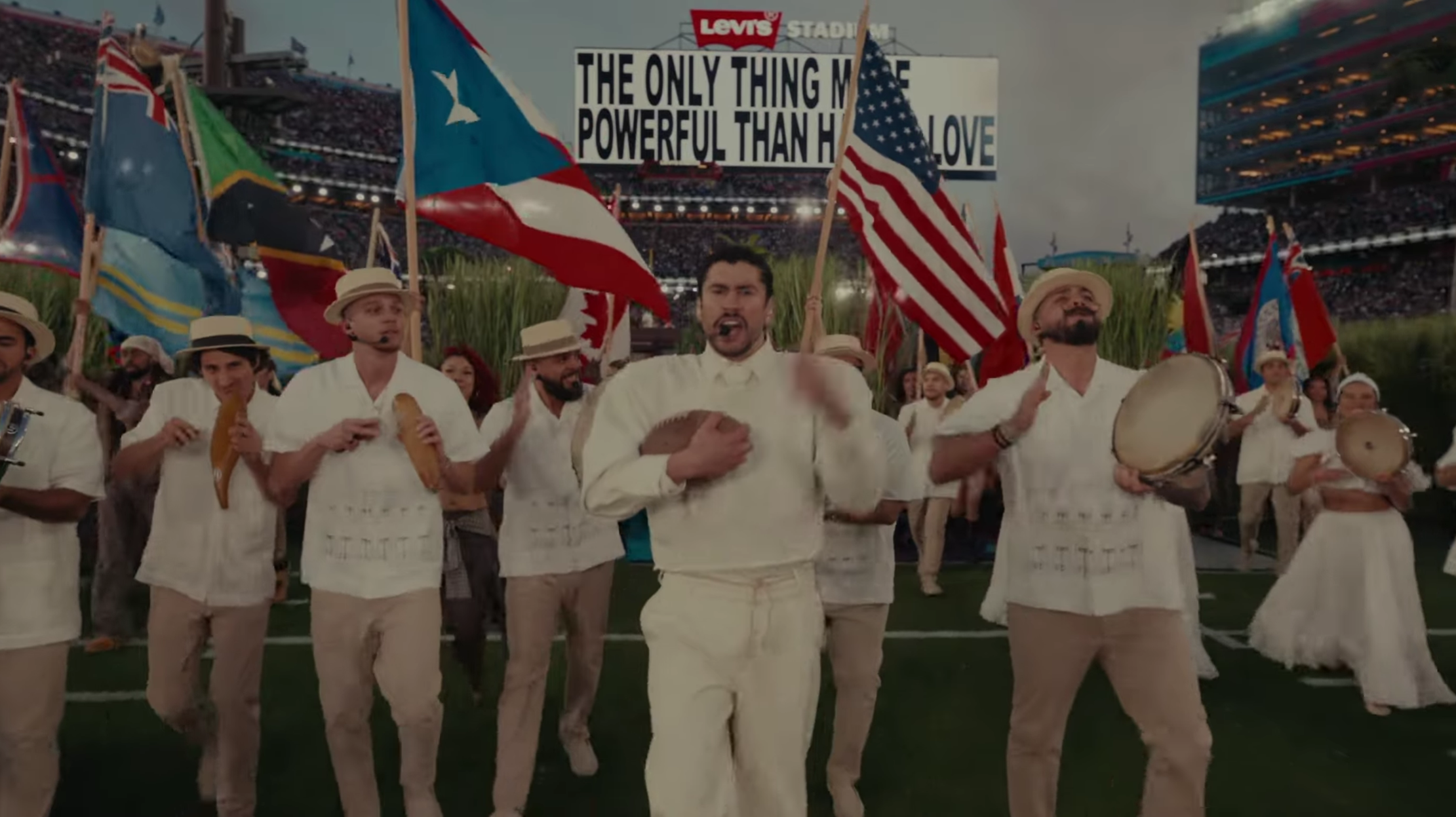
The Final Message: “Seguimos Aquí”
The ending brought everything together. During “Café con Ron,” dancers carried flags from countries around the world. He ended with “Seguimos aquí.” We’re still here.
He slammed the football down, rejecting spectacle. Then he closed with “Debí Tirar Más Fotos,” accompanied by a traditional parranda. On the screen appeared the words: “The only thing more powerful than hate is love.” Fireworks exploded.
Everything connected.
Image Credits: NFL
Why This Halftime Show Will Be Remembered
This halftime show was not about fame. It was about memory, ancestry, protest, and dignity. It was about love and no hatred, resistance without chaos, and leadership without ego.
Bad Bunny didn’t perform for approval. He performed from identity. He trusted his people to understand and invited everyone else to learn.
This wasn’t just a halftime show.
It was a stand.
It was a statement.
It was Puerto Rico speaking for itself.
And the world listened.