2026 Interior Design Trend Predictions: A Return to Grounded Luxury
Written by Tiffany Escobar
Contributing Editor, Design + Culture
As we move into 2026, interior design is quietly shifting away from excess, gloss, and overstimulation. The future of interiors isn’t louder, it’s deeper. More tactile. More intentional. More grounded.
This next era of design reflects a collective desire to slow down, reconnect with materiality, and create spaces that feel emotionally regulating rather than visually overwhelming. Think restraint over spectacle, texture over trend, and longevity over novelty.
Here are the interior design trends defining 2026 — and why they matter.
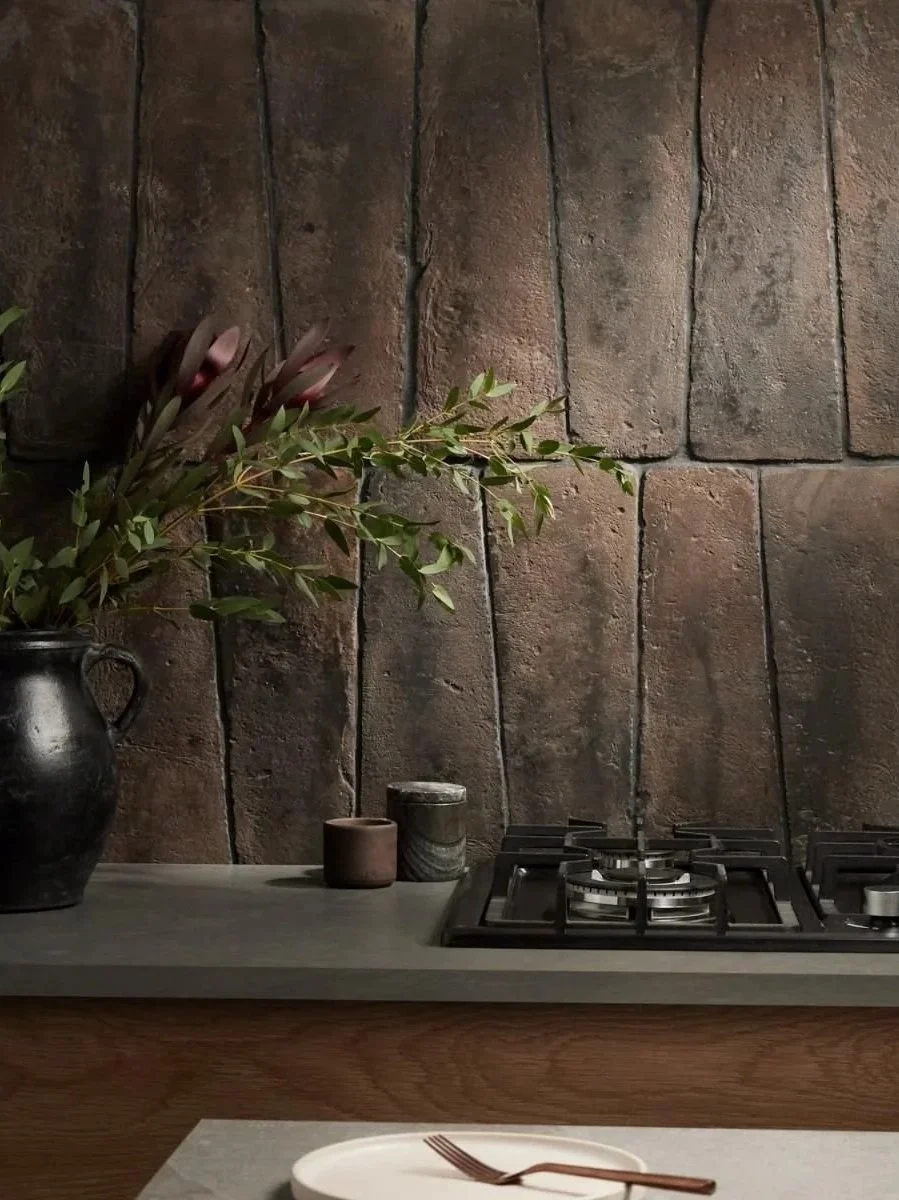
Brown Matte Tiles
Brown is no longer a supporting character but the foundation.
Matte brown tiles, from warm clay tones to deep espresso hues, are replacing cold greys and high-gloss finishes. Used in bathrooms, kitchens, and even living spaces, these tiles feel earthbound and architectural, grounding a space without overpowering it.
The matte finish is key: it absorbs light rather than reflecting it, creating calm, shadow-rich interiors that feel timeless rather than trendy.
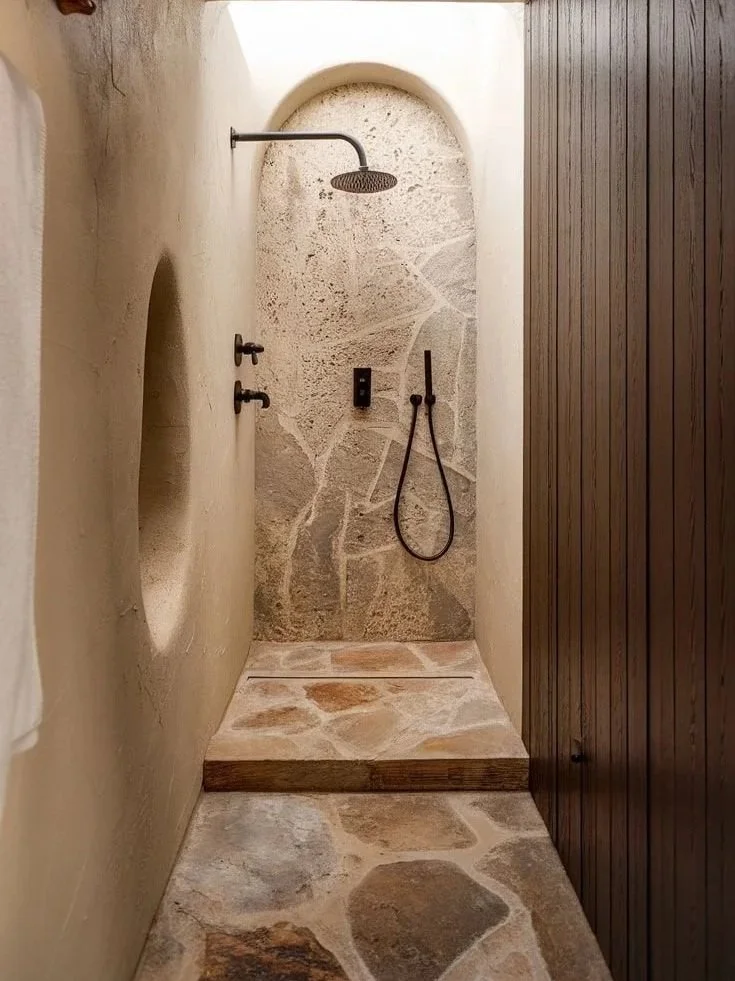
2. Stone-on-Stone Interiors
Stone is no longer an accent. It’s becoming the language. In
2026, we’re seeing stone layered with stone: travertine floors paired with limestone walls, marble furniture against stone fireplaces, or micro cement blended with natural rock finishes. The focus isn’t contrast, it’s continuity.
This approach creates spaces that feel carved rather than decorated, echoing ancient architecture while remaining distinctly modern.
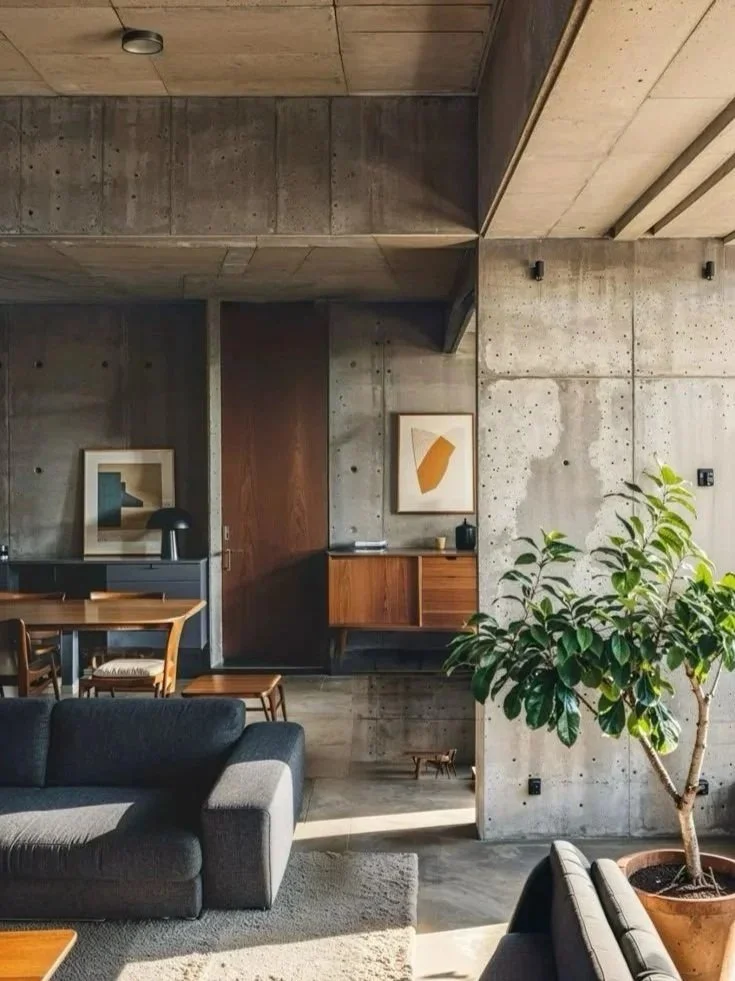
3. Soft Brutalism
Brutalism, softened. Sharp
concrete edges are giving way to rounded forms, warmer tones, and tactile finishes. Soft brutalism embraces the honesty of structure while introducing curves, plaster textures, and human-scaled proportions. It’s
less about dominance and more about presence — architecture that feels protective rather than imposing.
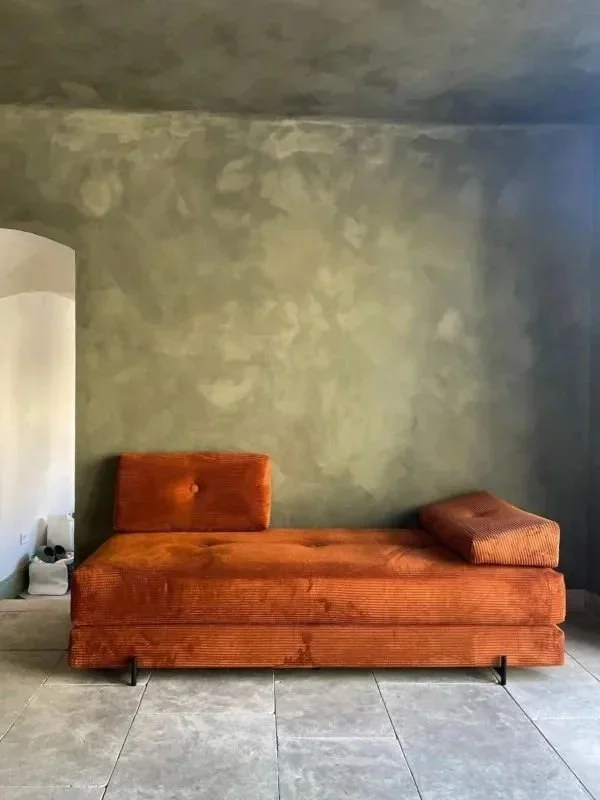
4. Micro-Textured Walls
Flat walls are fading.
Micro-textured finishes like limewash, Roman clay, and mineral plasters are becoming the standard. These subtle textures catch light throughout the day, creating depth and movement without visual noise.
In 2026, walls aren’t just backdrops — they’re atmospheric elements.
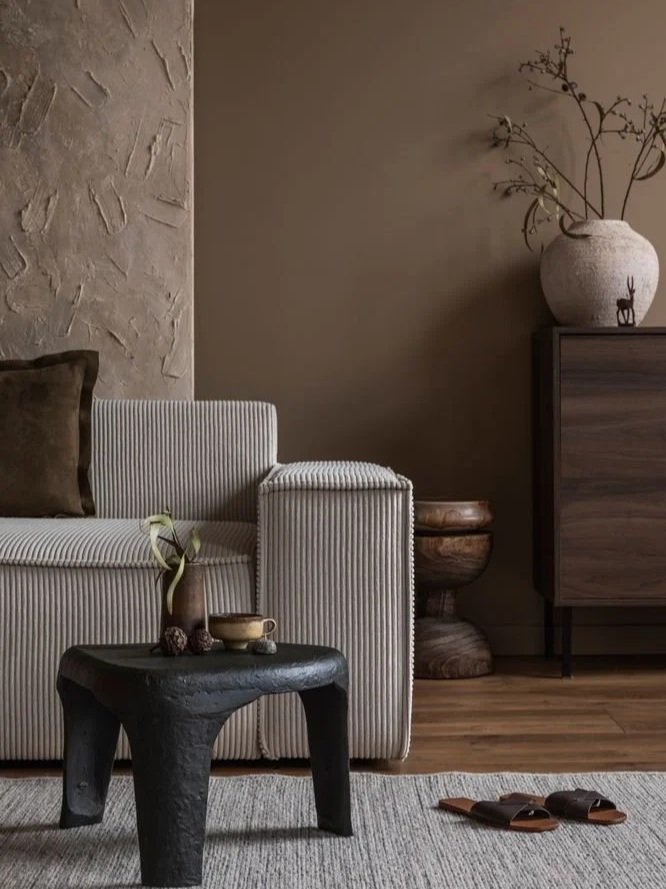
5. Low-Sheen Everything
High gloss is officially resting.
Low-sheen and matte finishes are taking over walls, cabinetry, tiles, hardware, and even ceilings. This shift isn’t aesthetic alone but emotional. Low sheen reduces glare, softens light, and creates spaces that feel calmer and more grounded.
Luxury is no longer shiny, it’s quiet.
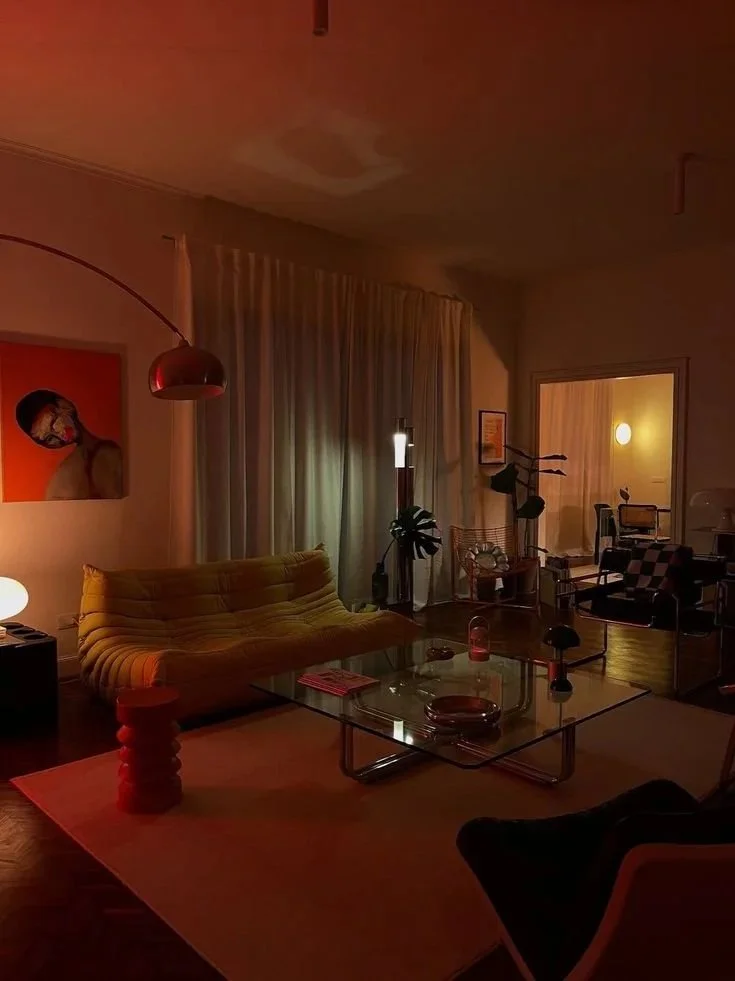
6. Grounded Lighting
Lighting is becoming slower, warmer, and more intentional.
Harsh overhead lighting is being replaced by layered, low-level illumination: wall sconces, table lamps, concealed uplighting, and floor-level glow. The goal is ambiance over brightness.
In 2026, lighting is designed to support circadian rhythms, emotional comfort, and mood, not just visibility.
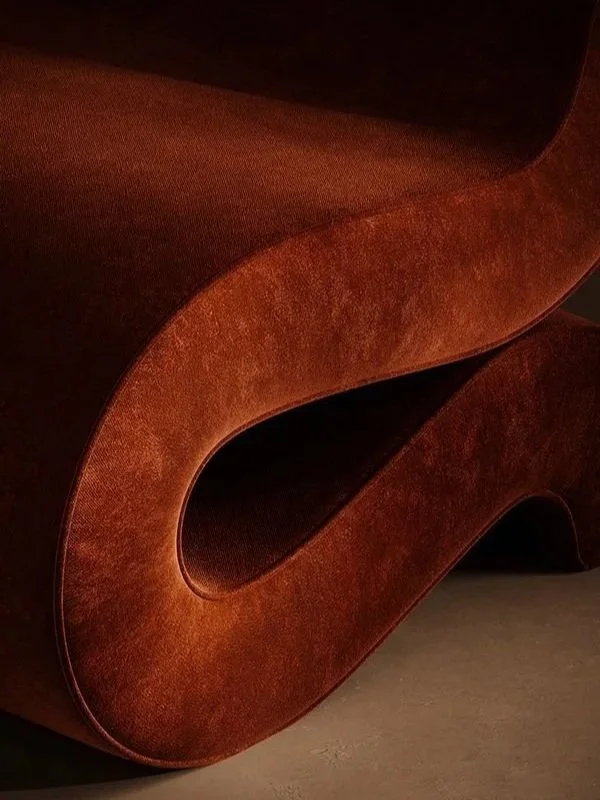
7. Organic Shapes
Nature is influencing form more than ever.
Furniture and décor are leaning into asymmetry, curves, and softened silhouettes. Rounded sofas, sculptural chairs, imperfect vessels, and hand-formed objects dominate interiors that feel more human and less manufactured.
Organic shapes bring movement and softness, balancing the heavier materials trending this year.
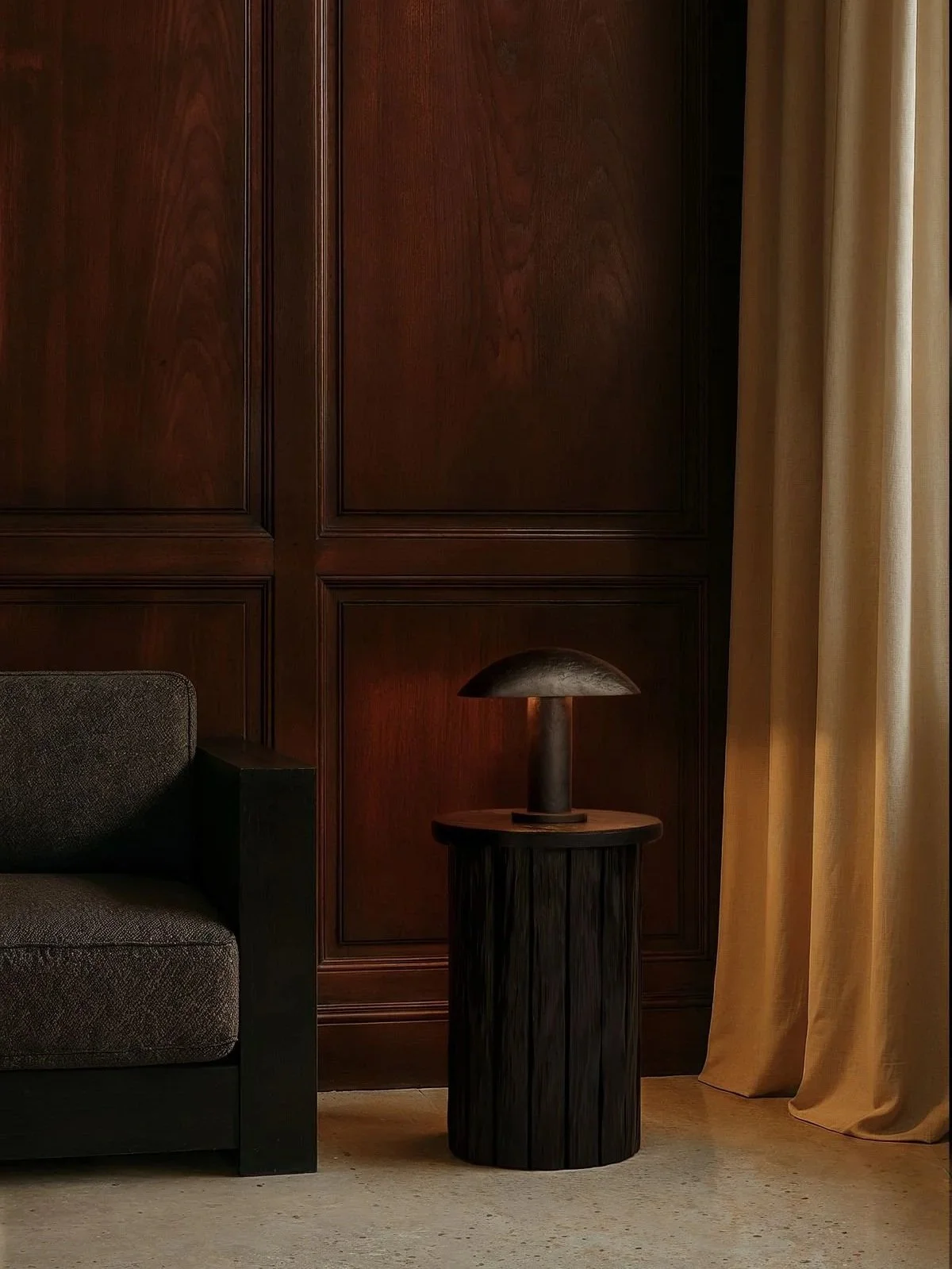
8. Dark Wood Revival
Dark wood is back and it’s intentional.
Walnut, stained oak, smoked ash, and deep-toned woods are replacing light, bleached finishes. Used on cabinetry, wall paneling, furniture, and even ceilings, dark wood introduces warmth, depth, and quiet drama.
In 2026, dark wood signals permanence, a move away from disposable design.
Final Thoughts
2026 interiors are less about following trends and more about designing atmospheres. Spaces that feel grounded, tactile, and emotionally supportive will define this next era.
This is not fast design.
This is design that lingers.
And perhaps that’s the most important trend of all.