How Luxury Interiors Are Designed for the Night
Written by Tiffany Escobar
Contributing Editor, Design + Culture
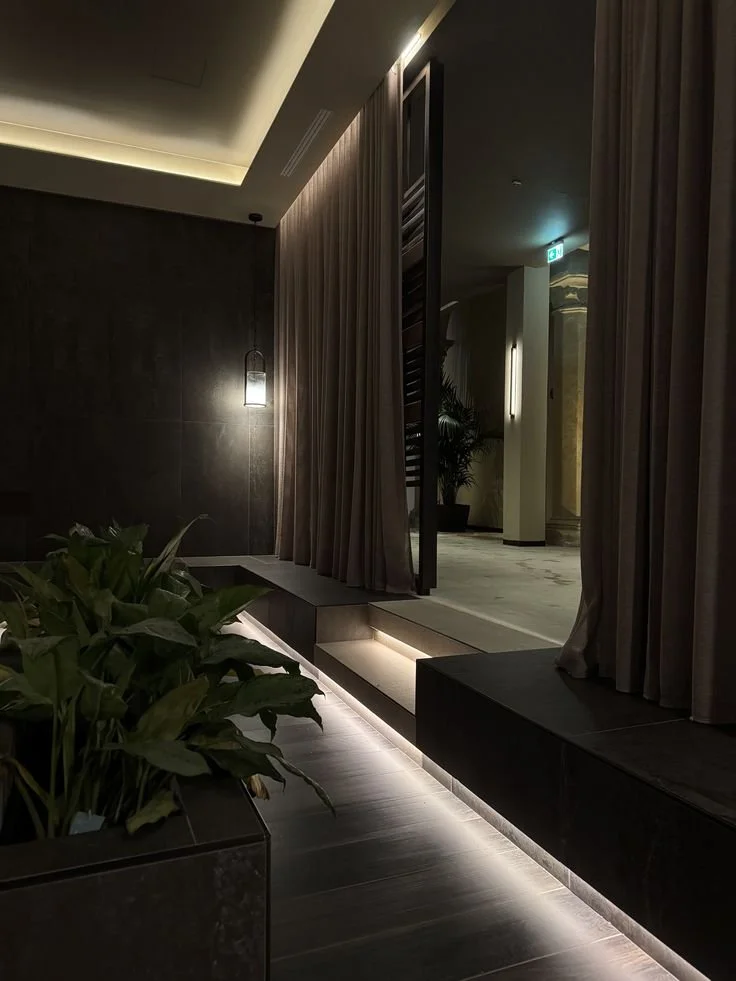
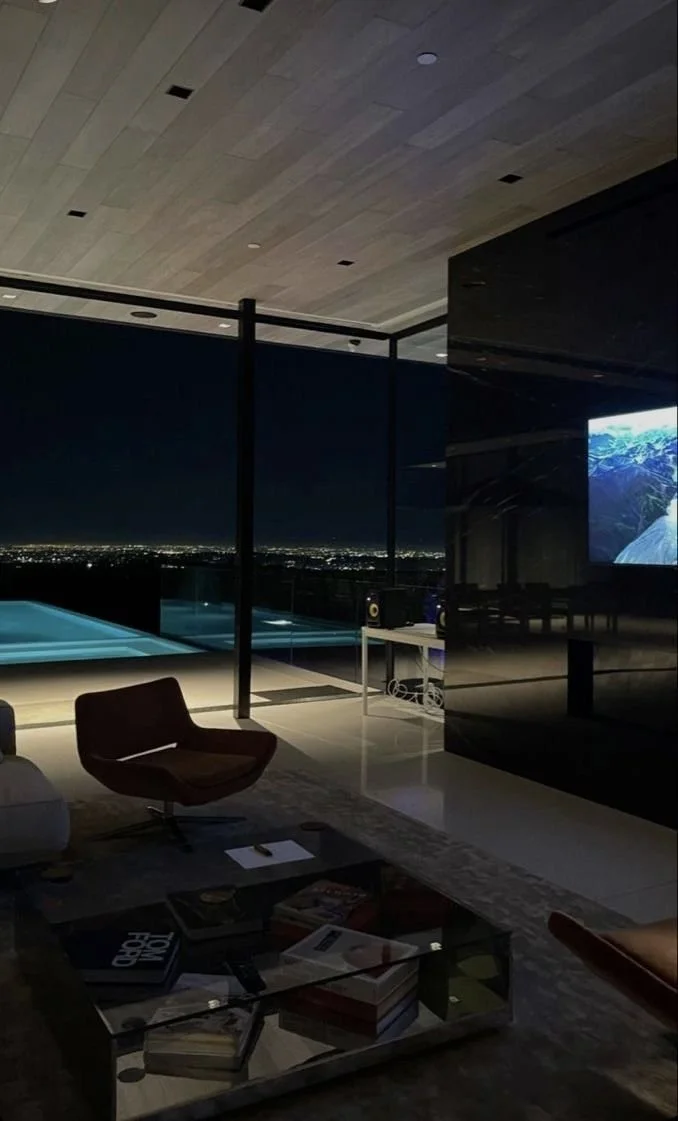
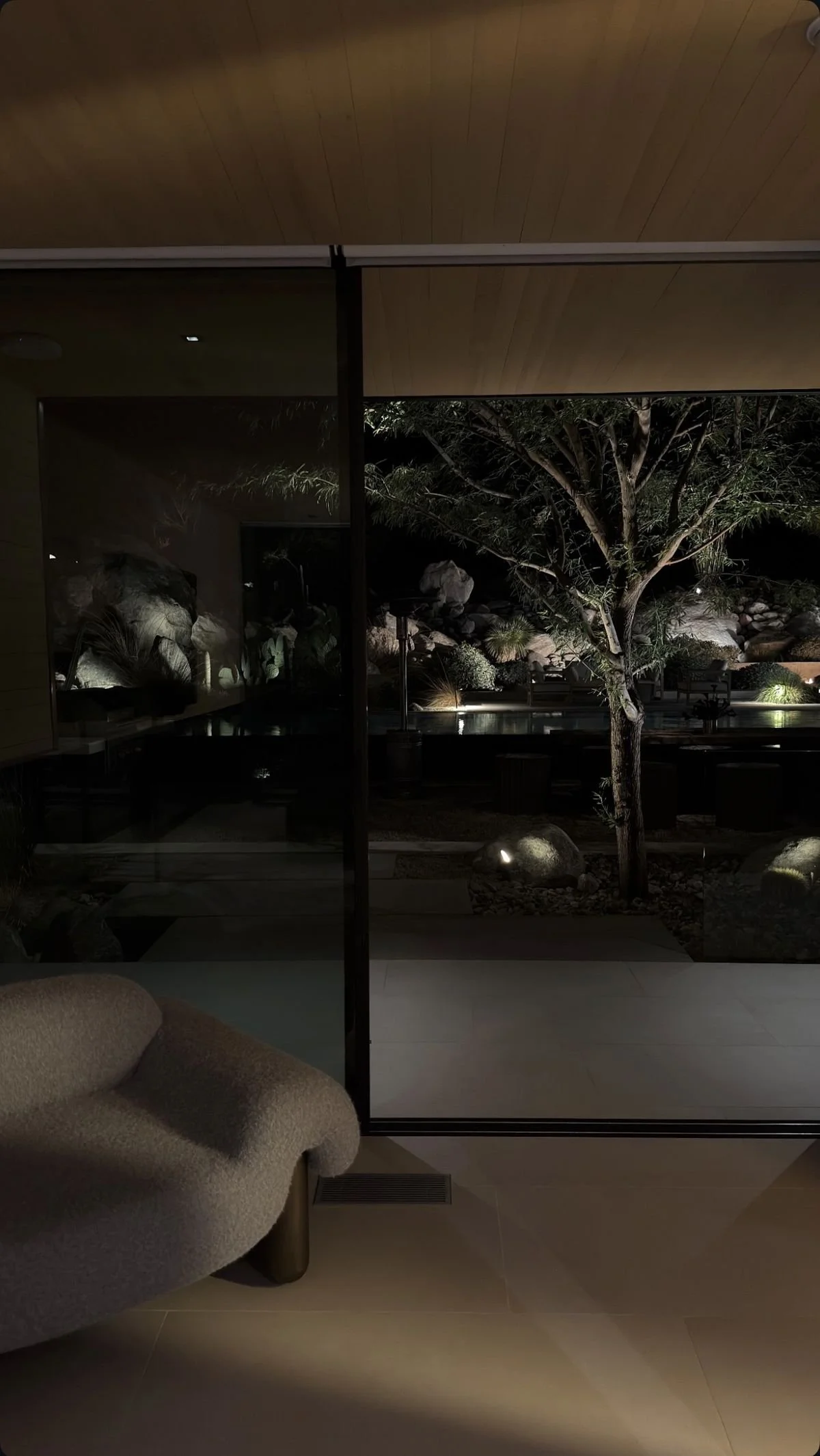
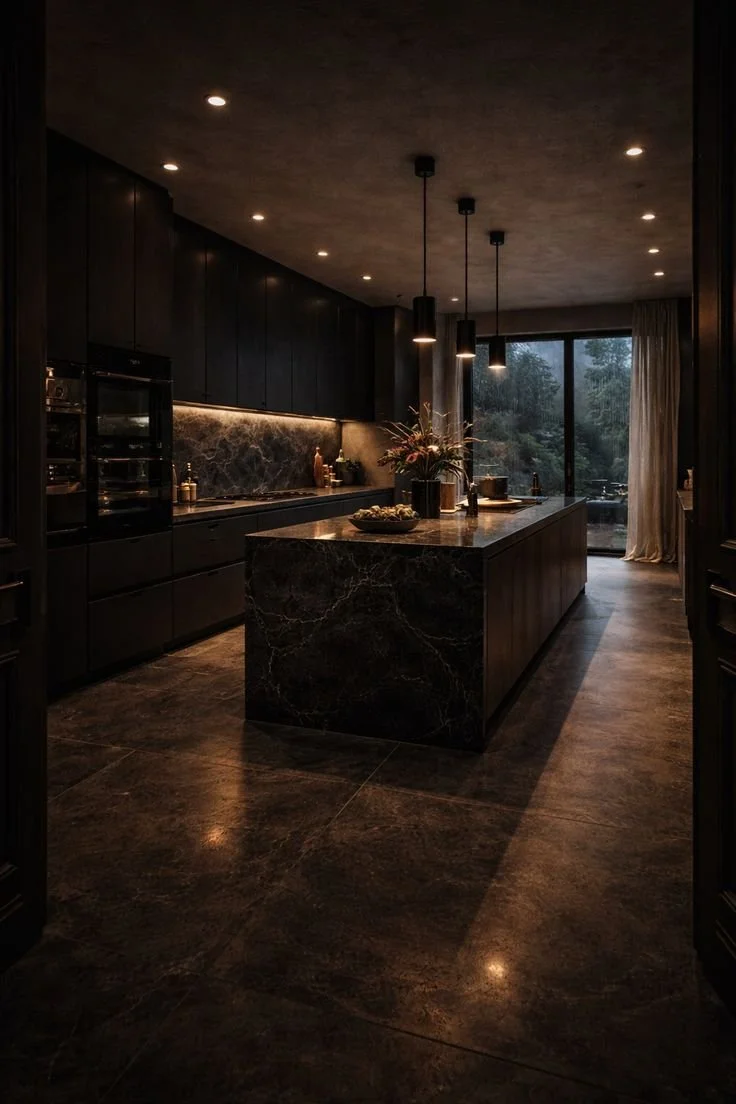
Luxury interiors are rarely designed for midday.
They are designed for the hours after sunset, when the world slows, distractions fade, and space becomes an experience rather than a backdrop. At night, interiors reveal their true intention. Materials deepen. Shadows soften edges. Light becomes selective rather than overwhelming.
This is where luxury lives.
Night Changes How We Perceive Space
When daylight disappears, our relationship with space shifts.
We stop scanning. We stop consuming visually. Our nervous system begins to settle. Luxury interiors are designed to respond to this psychological transition not by adding more light, but by controlling it.
At night:
Lighting Is the Primary Design Tool After Dark
In luxury interiors, lighting is never an afterthought especially at night.
Rather than relying on overhead fixtures, designers layer light intentionally:
wall sconces that wash surfaces softly
table and floor lamps that anchor human scale
concealed uplighting that emphasizes architecture
low, warm pools of light that guide movement
The goal is not illumination, it’s presence.
Luxury lighting creates zones of intimacy, allowing the eye to rest while the mind slows.
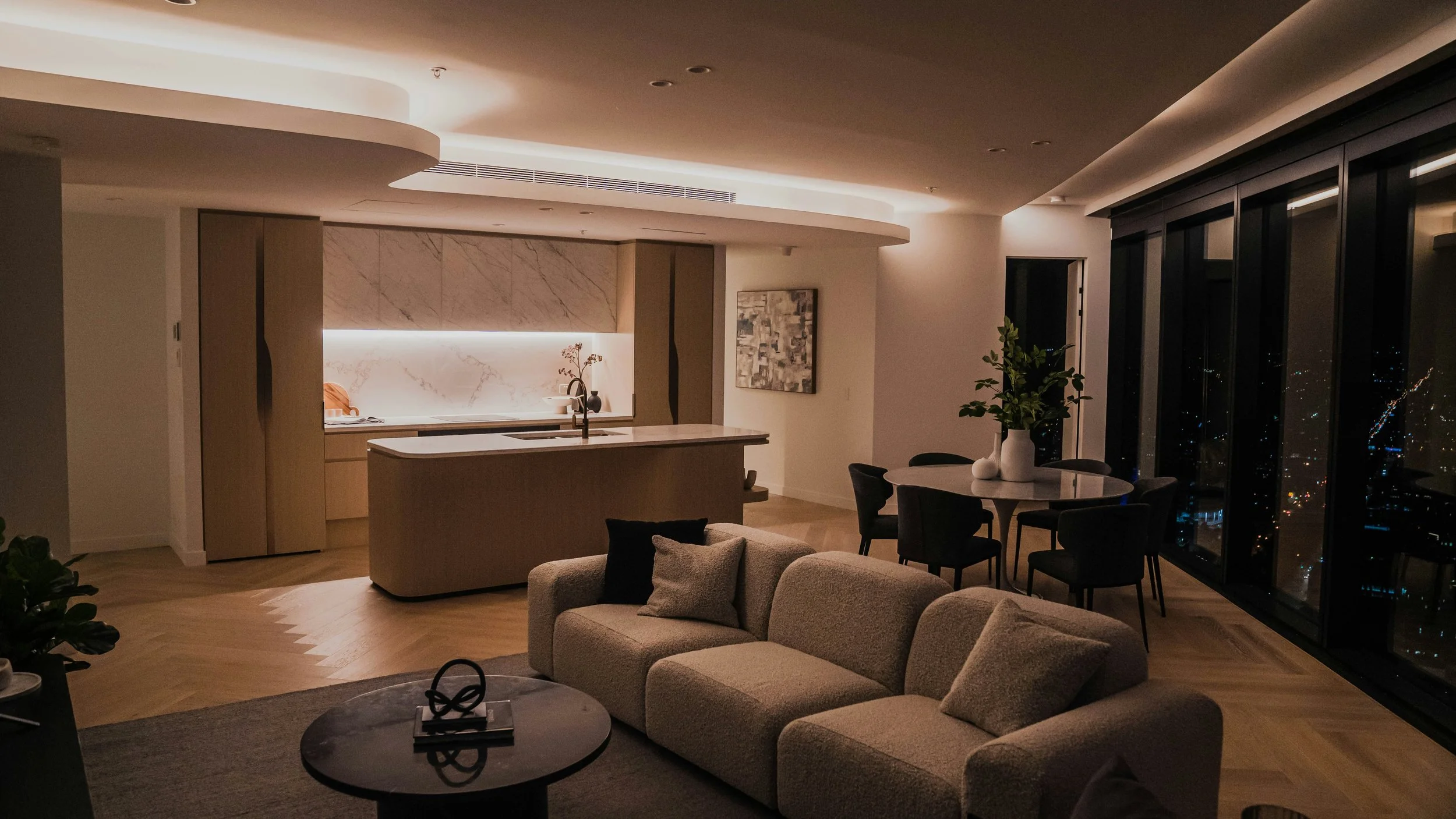
Shadow Is Just as Important as Light
What luxury interiors understand and most spaces ignore is the role of shadow.
Shadow:
reduces visual noise
softens hard edges
adds depth and mystery
allows materials to feel richer
Dark corners are not mistakes. They are intentional pauses.
At night, shadow allows a space to feel layered rather than flat, immersive rather than exposed.
Materials Are Chosen for How They Absorb Light
Luxury interiors prioritize materials that interact with light, not reflect it aggressively.
Think:
matte plaster walls
dark walnut and stained woods
stone with natural veining
brushed metals rather than polished finishes
textiles that soften sound and light
These materials absorb warmth and create depth, making spaces feel calm and enveloping rather than stark.
At night, low-sheen surfaces outperform gloss every time.
Color Deepens After Sunset
Colors behave differently at night.
Luxury interiors anticipate this by using palettes that gain richness in low light:
chocolate browns
deep olives
warm charcoals
burgundy and wine tones
softened blacks
These hues don’t disappear after dark — they become more intimate.
Rather than contrast, luxury relies on tonal layering, allowing color to feel atmospheric rather than decorative.
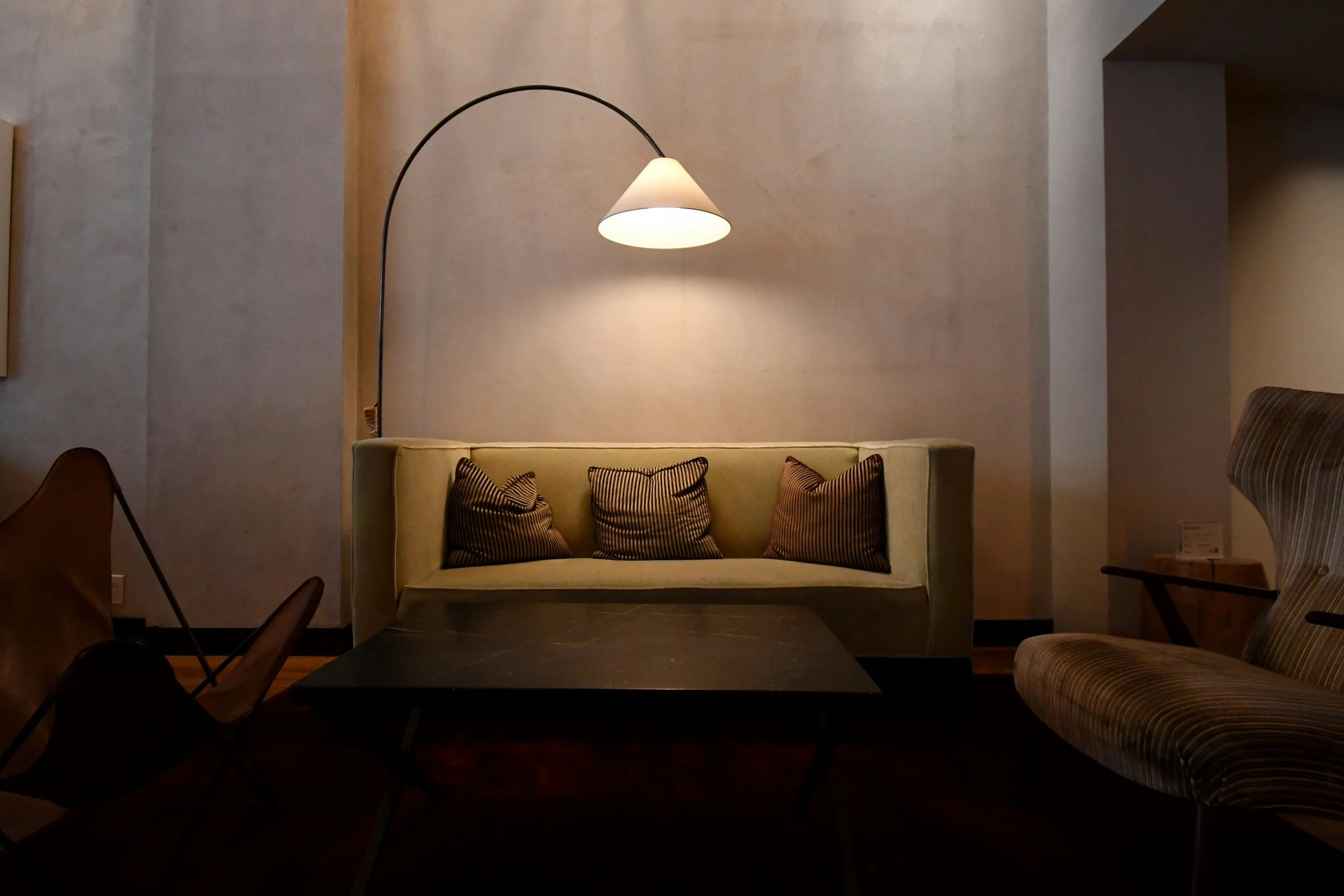
Nighttime Interiors Support the Nervous System
There’s a reason luxury hotels, spas, and private residences feel calming at night.
Low, warm lighting signals safety.
Reduced contrast lowers stimulation.
Soft shadows slow perception.
The result is a subtle but powerful shift:
time feels slower
the body relaxes
the space feels separate from the outside world
Nothing has changed physically — yet everything feels different.
This is not fantasy.
It’s design responding to human biology.
The Reality Shift Happens Through Atmosphere
When people describe a space as “transformative,” they’re often responding to how it feels at night.
Luxury interiors are designed to create that perceptual shift — where a room feels quieter, deeper, more intentional. The space becomes a container for rest, reflection, and presence.
This is why the most memorable interiors aren’t the brightest ones —
they’re the ones that know when to dim.
Final Thoughts
Luxury interiors are not designed to impress in passing.
They are designed to hold you after dark.
Through layered lighting, shadow, texture, and restraint, these spaces create an atmosphere where perception shifts and the outside world fades.
At night, luxury isn’t loud.
It’s immersive.
And that’s where design becomes something more than visual,
it becomes experiential.